TL;DR:
- Tarragona attracts international buyers due to its coast, history, and sunny climate, but legal and location factors are crucial.
- Clarifying goals, understanding villa types, and evaluating long-term lifestyle and investment factors guide smart purchasing decisions.
- Working with local professionals and thorough legal checks ensures a secure, informed, and successful villa acquisition.
Tarragona has become one of Spain’s most sought-after destinations for international property buyers, and it’s easy to see why. The Costa Dorada coastline, Roman heritage, and year-round sunshine create a lifestyle that’s genuinely hard to replicate elsewhere in Europe. But buying a luxury villa here is not as simple as falling in love with a sea view. Location dynamics, legal requirements for non-residents, tax obligations, and long-term resale value all play a decisive role. This guide walks you through every critical step, from defining your goals to signing at the notary, so you can make a purchase you’ll be proud of for decades.
Table of Contents
- Clarifying your needs and investment goals
- Understanding villa types and market options
- Evaluating location, amenities, and lifestyle factors
- Navigating legal, tax, and purchase process essentials
- Working with professionals: agents, advisors, and due diligence
- Our perspective: What most luxury buyers overlook in Tarragona
- Expert guidance for your Tarragona villa investment
- Frequently asked questions
Key Takeaways
| Point | Details |
|---|---|
| Define your goals | Clarifying your purchase intent and villa must-haves is the foundation for a smart investment. |
| Understand villa options | Comparing types and features helps you target villas that match your vision and budget. |
| Check legal and tax issues | A step-by-step legal process ensures your purchase is secure and compliant. |
| Seek expert guidance | Working with professional local agents and advisors protects your interests and adds value at every stage. |
| Prioritize location and amenities | Choosing the right area and features shapes both your lifestyle and your long-term returns. |
Clarifying your needs and investment goals
Before you browse a single listing, you need to be honest about why you’re buying. This sounds obvious, but it’s the step most international buyers rush through, and it costs them later. A villa purchased primarily for rental income has completely different requirements than one meant for personal use or long-term capital appreciation.
Start by answering these core questions:
- Purpose: Is this a primary residence, a vacation home, or an income-generating asset?
- Rental strategy: If you plan to rent, will it be short-term seasonal lets or long-term tenancy?
- Timeline: Are you buying to hold for five years or twenty?
- Budget ceiling: Include purchase taxes, legal fees, and renovation costs, not just the asking price.
- Location preference: Beachfront, hillside with panoramic views, or close to urban conveniences?
- Must-have features: Number of bedrooms, private pool, garage, garden size, accessibility.
These answers shape every decision that follows. For example, a villa near Cambrils town center suits buyers who want walkability and rental demand, while a secluded hillside estate suits those prioritizing privacy and long-term appreciation. Understanding the full range of property types in Cambrils helps you match your goals to the right asset class from the start.
One thing many buyers overlook is the difference between emotional appeal and investment logic. A property can check every aesthetic box and still underperform if it’s in the wrong micro-location or has structural issues that inflate maintenance costs. Write your requirements down before you visit any property. That list becomes your filter.
Pro Tip: Rank your requirements into “non-negotiables” and “nice-to-haves” before your first viewing. When you’re standing in a beautiful villa with ocean views, it’s easy to forget that you actually needed four bedrooms, not three.
Understanding villa types and market options
Once you know your goals, it’s time to explore the types of villas available and how they compare in Tarragona’s luxury market. Not all villas are equal, and the terminology can be confusing for first-time buyers in Spain.
The most common villa styles you’ll encounter include:
- Modern villas: Clean lines, open-plan living, floor-to-ceiling glass, smart home systems.
- Mediterranean villas: Terracotta tiles, arched doorways, lush gardens, traditional craftsmanship.
- Rustic estates: Stone construction, large plots, often with agricultural land or vineyards.
- Luxury estates: Custom-built, expansive, with premium amenities like heated pools, home cinemas, and staff quarters.
The villas vs. chalets comparison is one that trips up many buyers. In Spain, a “chalet” typically refers to a detached home on a smaller plot, often in a residential development. A villa usually implies more land, greater privacy, and a higher level of finish. Both can be luxury properties, but they serve different lifestyles and investment profiles.
| Property type | Space and privacy | Typical amenities | Best suited for |
|---|---|---|---|
| Modern villa | High | Pool, smart home, open plan | Investors, families |
| Mediterranean villa | High | Garden, terrace, traditional features | Vacation use, lifestyle buyers |
| Rustic estate | Very high | Large plot, outbuildings | Privacy seekers, long stays |
| Chalet | Medium | Shared or private garden | Budget-conscious luxury buyers |
| Luxury apartment | Low | Concierge, shared pool | Lock-and-leave investors |
For buyers wanting to see what’s actually available in this segment, browsing examples of luxury villas in Cambrils gives a realistic picture of price points and features.
Pro Tip: Always ask for the villa’s cadastral reference number and cross-check it against the land registry. Discrepancies between the listed plot size and the official record are more common than you’d expect, and they can affect your mortgage, taxes, and future resale.
Evaluating location, amenities, and lifestyle factors
Understanding your options requires a close look at where the villas are located and what they actually deliver day to day. In Tarragona, location is not just about the view. It’s about infrastructure, community, and what the area will look like in ten years.
Tarragona’s villa market breaks into several distinct zones:
- Beachside areas (Cambrils, Salou, La Pineda): High rental demand, strong seasonal income, excellent amenities nearby.
- Historic areas (Tarragona city, Altafulla): UNESCO heritage surroundings, cultural richness, growing interest from European buyers.
- Secluded countryside (Baix Camp, Priorat border): Maximum privacy, larger plots, lower price per square meter, slower appreciation.
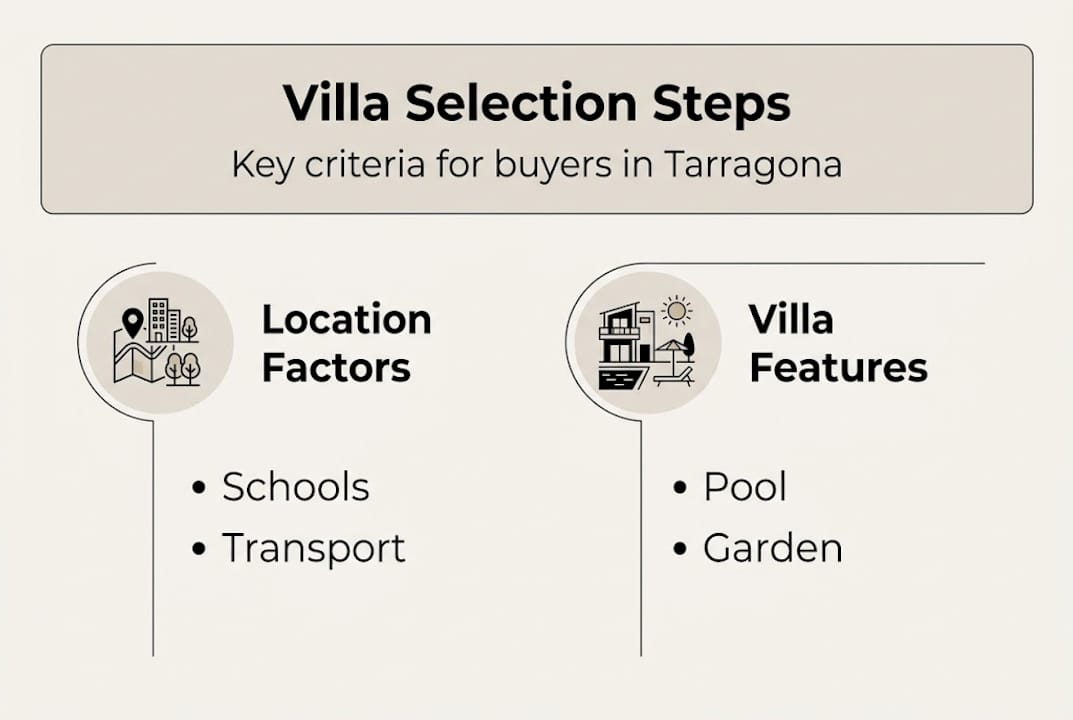
When assessing a specific villa, look beyond the property boundary. Schools, hospitals, transport links, and planned infrastructure projects all influence long-term value. A villa near a new highway interchange or a planned marina development can appreciate significantly faster than comparable properties in static areas.
| Area | Lifestyle | Avg. rental demand | Infrastructure |
|---|---|---|---|
| Cambrils beachfront | Resort, family | Very high (seasonal) | Excellent |
| Altafulla historic | Cultural, quiet | Moderate | Good |
| Countryside estates | Private, rural | Low to moderate | Variable |
| Salou coast | Tourism-driven | Very high | Excellent |
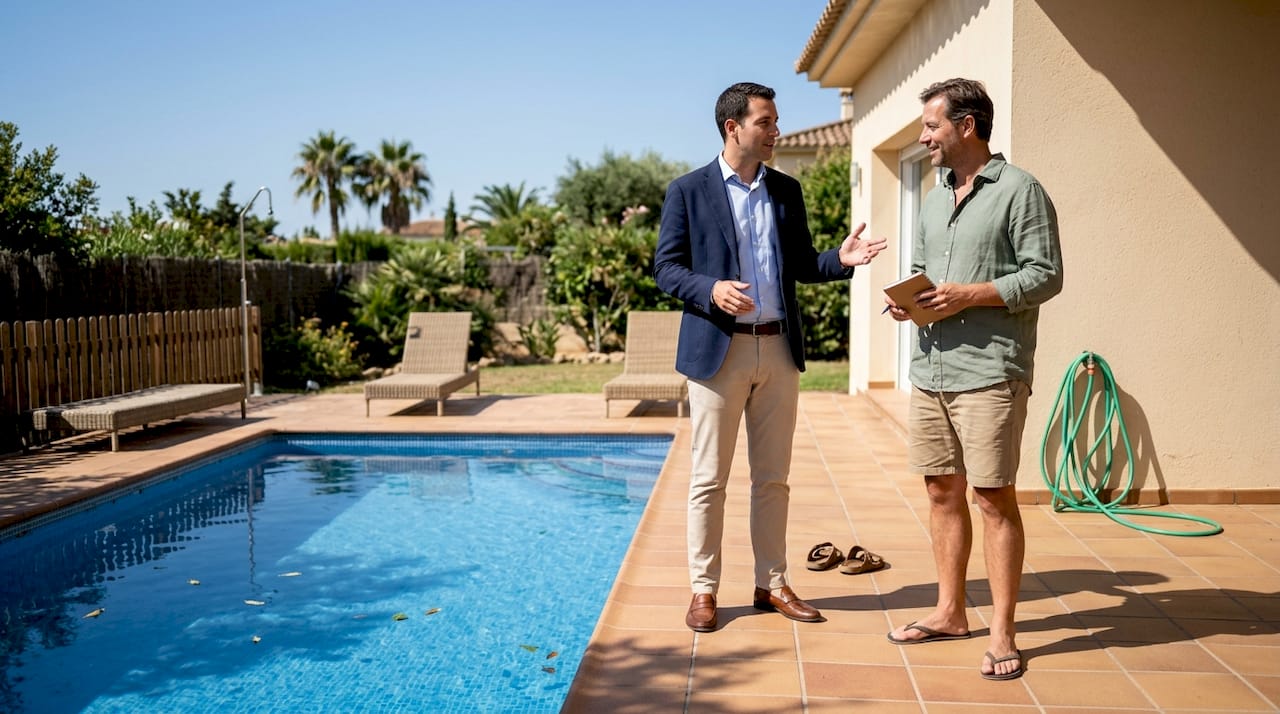
On-site amenities matter just as much. For luxury buyers, the villa features to prioritize typically include a private pool, outdoor dining areas, mature gardens, air conditioning, and smart security systems. Properties with solar panels and energy efficiency ratings are increasingly preferred by buyers who plan to hold long-term, as running costs become a real factor over time.
Navigating legal, tax, and purchase process essentials
A stunning villa is only a great purchase if every legal box is checked. Spain’s property buying process is well-structured, but it has specific requirements for non-residents that you must understand before making any commitments.
The legal requirements in Costa Dorada for foreign buyers include obtaining a NIE (Número de Identificación de Extranjero), which is your foreigner identification number and is required for any financial transaction in Spain. Without it, you cannot sign contracts or open a Spanish bank account.
Important: Never sign a reservation contract or transfer any funds before your lawyer has verified the property’s legal status, confirmed there are no outstanding debts or encumbrances, and reviewed the planning permissions. This step protects you from inheriting the previous owner’s liabilities.
Here is the typical buying process in six steps:
- Obtain your NIE through the Spanish consulate or in person at a local police station.
- Open a Spanish bank account to manage purchase payments and ongoing expenses.
- Sign a reservation contract and pay a holding deposit (usually 1% of the purchase price).
- Sign the private purchase contract (contrato de arras) and pay 10% of the price.
- Complete due diligence: title search, structural inspection, planning checks, debt clearance certificate.
- Sign the public deed (escritura) at the notary and register the property in your name.
Taxes and fees typically add 10 to 13% on top of the purchase price. This includes transfer tax (ITP) at around 10%, notary fees, land registry fees, and legal costs. Budget for these from the start. Working with local agents who understand the full cost picture prevents unpleasant surprises at the closing table.
Working with professionals: agents, advisors, and due diligence
Even with all the facts, having the right team makes your transaction more secure and far less stressful. In a market like Tarragona, where some listings are exclusive and never publicly advertised, your agent is also your access point.
The core team you need includes:
- Real estate agent: Local market knowledge, access to off-market listings, negotiation skills.
- Independent lawyer: Protects your interests, not the seller’s. Must specialize in Spanish property law.
- Notary: A legally required neutral party who formalizes the deed.
- Tax advisor: Handles non-resident income tax, wealth tax, and capital gains planning.
When choosing an agent, ask these questions before you commit:
- How long have you been operating in this specific area?
- Do you represent buyers exclusively, or do you also represent sellers?
- Can you provide references from international clients?
- What is your process for verifying a property’s legal status?
The value of finding trusted agents goes beyond just finding properties. A well-connected local agent can flag issues before they become problems, negotiate terms that protect your interests, and guide you through the post-purchase process including utility transfers and community registration.
Pro Tip: Always hire a lawyer who is independent from your agent. In some transactions, agents recommend lawyers they work with regularly, which can create a conflict of interest. Your lawyer’s only job is to protect you.
Our perspective: What most luxury buyers overlook in Tarragona
After working with international buyers across the Costa Dorada, we’ve noticed a consistent pattern. Buyers spend enormous energy on aesthetics and almost none on practicalities that will define their experience for years.
Sea views and designer kitchens are easy to love. Property management, year-round livability, and resale dynamics are harder to think about when you’re emotionally invested in a property. But these are exactly what separates a smart purchase from an expensive mistake.
Buyers who visit only in summer often don’t realize that some beachside areas feel isolated in January. They don’t ask about the community of owners (comunidad de propietarios), which can have restrictive rules or high fees. They don’t check whether the villa has a valid tourist license if rental income is part of the plan.
The buyers who do best in this market combine genuine enthusiasm with disciplined analysis. They use market insights to understand pricing trends, not just current listings. They build relationships with local professionals before they need them. And they treat the purchase as a long-term asset decision, not just a lifestyle choice. That mindset is what turns a beautiful villa into a genuinely rewarding investment.
Expert guidance for your Tarragona villa investment
Ready to start your search? Finding the right villa in Tarragona is a process that rewards preparation and the right partnerships. At Costa Cambrils, we specialize in luxury real estate in Cambrils and the wider Costa Dorada, giving international buyers exclusive access to premium listings and honest, experienced guidance.
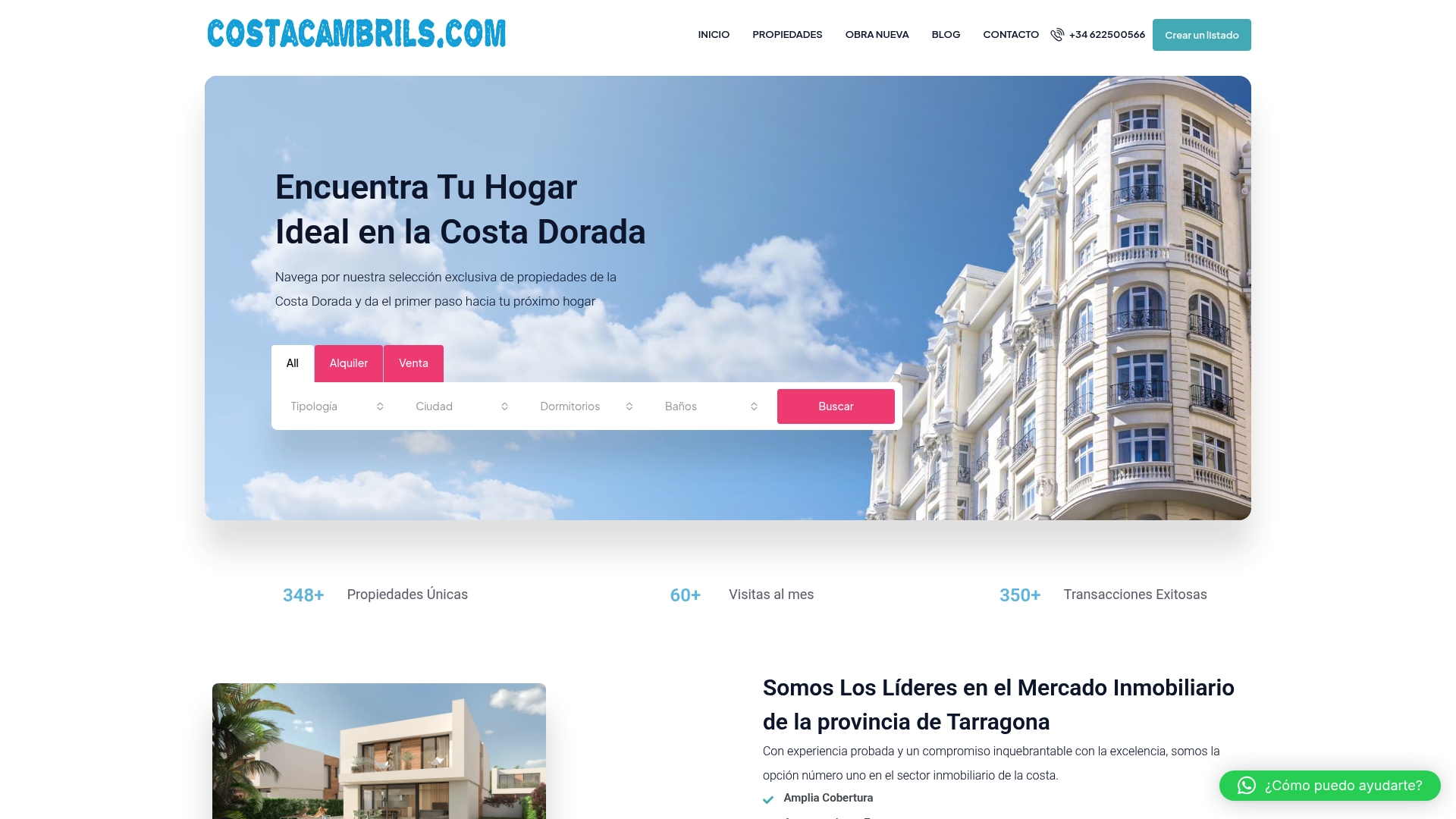
Our team of specialists can help you navigate every stage, from clarifying your investment goals to managing the legal process and beyond. Whether you’re looking for a beachfront villa, a secluded estate, or a modern luxury property with strong rental potential, we match buyers to properties that genuinely fit their needs. Connect with our expert agents today to schedule a consultation or explore our current portfolio of exclusive villas.
Frequently asked questions
What documents do I need to buy a villa in Tarragona as a foreigner?
You need a NIE (foreigner identification number), proof of funds, a signed purchase contract, and the official property deeds. Your lawyer will also require a legal documentation checklist to verify the property’s legal status before any funds are transferred.
How do I ensure a villa in Tarragona is a sound investment?
Work with local agents, confirm the property’s legal status, and assess location, amenities, and rental or resale potential. Reviewing the full range of property investment options helps you identify which asset type best matches your financial goals.
Are there restrictions on foreigners owning villas in Tarragona?
Foreign buyers can purchase villas in Spain without ownership restrictions, though non-residents face specific rules around financing, income tax on rental earnings, and annual wealth tax. Understanding the full legal framework for non-residents before you buy prevents costly surprises.
What is the best area in Tarragona to buy a luxury villa?
Top areas include beachfront zones like Cambrils and Salou for high rental demand, and secluded countryside locations for privacy and larger plots. Each area offers distinct lifestyle and amenity advantages depending on your priorities as a buyer.
Recommended
- How to rent a villa in Cambrils: luxury living guide – Inmobiliaria Costa Cambrils
- How to buy property in Costa Dorada: luxury buyer’s guide – Inmobiliaria Costa Cambrils
- Cómo seleccionar chalets de lujo en Cambrils: guía completa – Inmobiliaria Costa Cambrils
- Cómo elegir chalet en Cambrils: guía efectiva paso a paso – Inmobiliaria Costa Cambrils