
TL;DR:
- Multi-unit dwellings are residential buildings containing two or more self-contained units under a single roof. They vary from duplexes to large apartment complexes and offer investment stability and rental income diversity. Proper due diligence on energy standards, valuation methods, and cost-sharing helps investors maximize returns.
A multi-unit dwelling is defined as a residential building containing two or more separate, self-contained housing units under a single roof or within a single structure. These properties, also called multi-family housing in standard real estate practice, range from a simple duplex to a large apartment complex. Explaining multi-unit dwellings matters because they represent one of the most reliable asset classes in property investment, offering rental income diversification and stronger long-term value retention than single-family homes. Energy efficiency regulations, valuation standards, and shared ownership rules all shape how these buildings perform financially. Understanding each layer helps you invest with confidence rather than guesswork.
What are the main types of multi-unit dwellings?
Multi-unit dwellings fall into several distinct categories, each with different investment profiles and management demands. Knowing the differences in apartment types and building configurations is the first step toward choosing the right asset.

A duplex contains two separate units, typically stacked vertically or placed side by side, each with its own entrance, kitchen, and bathroom. A triplex adds a third unit, and a fourplex (also called a quadruplex) contains four. These smaller formats are popular with first-time investors because they qualify for residential mortgage financing in many markets, which carries lower interest rates than commercial loans.
Apartment complexes contain five or more units and cross into commercial property territory for financing purposes. They offer greater income diversification but require more formal property management. Mixed-use buildings combine residential units with ground-floor commercial space, such as retail shops or offices, adding a second income stream but also a more complex regulatory environment.
| Type | Units | Typical size | Key feature |
|---|---|---|---|
| Duplex | 2 | Small to medium | Residential financing eligible |
| Triplex | 3 | Medium | Balance of scale and simplicity |
| Fourplex | 4 | Medium | Max units for residential loans |
| Apartment complex | 5+ | Large | Commercial financing required |
| Mixed-use building | Varies | Large | Combines residential and commercial |
Each type shares core physical features: separate kitchens, private bathrooms, and independent entrances for each unit. Common facilities such as parking areas, laundry rooms, and shared hallways add convenience but also shared maintenance costs. The configuration you choose directly affects your financing options, management workload, and income potential.
How do energy efficiency standards affect multi-unit buildings?
Energy efficiency is now a defining factor in the value and operating cost of any multi-unit residence. Regulatory standards set a hard ceiling on how much energy a new building can consume, and older stock that misses those targets faces declining appeal and rising costs.
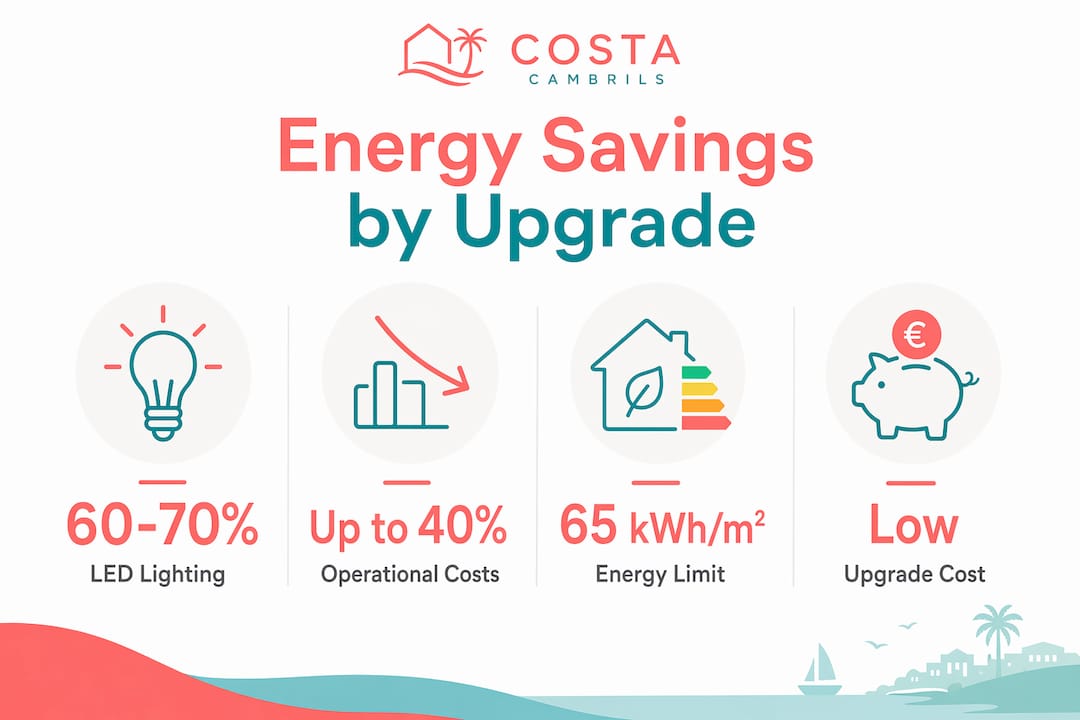
New multi-unit residential buildings must meet strict energy limits, with non-renewable primary energy capped at 65 kWh/(m²·year) under current standards, while top-performing projects reach approximately 35 kWh/(m²·year). Older buildings average 138.9 kWh/(m²·year). That gap translates directly into higher utility bills for tenants and lower net operating income for owners of unrenovated stock.
Modernization closes that gap faster than most investors expect. LED lighting upgrades cut energy use by 60–70%, while thermal insulation improvements reduce heat loss by 25–30%. These are among the highest-return upgrades available in multi-unit housing designs. Elevator modernization also improves safety and building value, though costs run from 100,000 to 300,000 PLN depending on building size and scope.
| Upgrade | Energy saving | Typical cost range |
|---|---|---|
| LED lighting | 60–70% reduction | Low |
| Thermal insulation | 25–30% heat loss reduction | Medium to high |
| Elevator modernization | Safety and value gain | 100,000–300,000 PLN |
| Full building retrofit | Approaches new-build standards | High |
Pro Tip: Schedule lighting and insulation upgrades together. Contractors often discount combined projects, and you avoid disrupting tenants twice.
Planned preventive modernization lowers long-term operational costs by up to 40% compared to reactive repairs. That figure alone makes the case for budgeting upgrades before systems fail rather than after. Reactive repairs cost more per incident and create tenant dissatisfaction that drives vacancy.
How do investors value multi-unit dwellings?
Valuation of multi-unit properties uses three primary methods: the comparable sales approach, the income approach, and the replacement cost method. Each gives a different lens on what a building is worth, and experienced appraisers use all three together.
The income approach is the most relevant for investment decisions. It calculates value based on net operating income divided by a market capitalization rate. A building generating strong, stable rental income in a high-demand location commands a lower cap rate and a higher price. The comparable sales approach anchors that figure to what similar buildings actually sold for nearby. The replacement cost method estimates what it would cost to rebuild the structure from scratch, which is most useful for newer or specialized buildings.
Expert real estate appraisers stress that valuation must consider technical building state, legal encumbrances, and local development plans alongside rental income. A building with strong cash flow but unresolved land ownership disputes or conservation restrictions can destroy investment returns. Checking the land registry and local spatial plans before purchase is not optional.
Marketing visuals often emphasize lobby aesthetics, but true quality depends on durable materials, acoustic solutions, and the condition of common area infrastructure. A polished entrance hall tells you nothing about the state of the plumbing or the acoustic insulation between floors. Experienced investors prioritize those invisible technical parameters because they drive tenant retention and protect long-term value.
Key factors every investor must assess before purchase:
- Structural condition: Foundation, roof, and load-bearing walls
- Mechanical systems: Plumbing, electrical, HVAC age and condition
- Legal status: Land title clarity, easements, conservation orders
- Energy performance rating: Current EP index versus regulatory requirements
- Rental income history: Occupancy rates and lease terms
- Local development plan: Zoning changes that could affect value or use
Pro Tip: Commission an independent technical survey before signing any purchase agreement. A surveyor’s report costs a fraction of what a hidden defect will cost you after closing.
You can find a detailed framework for evaluating property condition in Costacambrils’ step-by-step property assessment guide, which covers both legal and technical checkpoints.
How does ownership and cost management work in multi-unit buildings?
Shared ownership in multi-unit dwellings creates shared financial obligations. Every owner in a building contributes to maintenance, modernization, and common area costs, but the method used to divide those costs has a significant impact on fairness.
Cost allocation methods based on energy characteristics can create inequalities 2–11 times higher than surface-area-based allocations, disadvantaging owners of smaller units. That is a striking disparity. It means the choice of allocation formula is not a bureaucratic detail. It is a financial decision that directly affects each owner’s return.
Decisions on modernization cost allocation carry equity and stability implications significant enough to be treated as a public policy matter. For individual owners, this means reviewing the allocation method in your building’s governing documents before committing to any major upgrade project.
Effective management strategies for multi-unit dwellings include:
- Preventive maintenance schedules: Inspect roofs, gutters, and mechanical systems annually to catch problems early
- Reserve fund contributions: Set aside a fixed percentage of rental income each month for capital expenditures
- Professional property management: For buildings with five or more units, professional managers typically pay for themselves through lower vacancy and faster maintenance resolution
- Clear cost allocation agreements: Document how shared costs are split before any major project begins
- Tenant communication protocols: Proactive updates on planned works reduce complaints and improve retention
The property management workflow guide from Costacambrils outlines how landlords can structure these processes to protect asset value over the long term. Proactive maintenance and modernization can reduce lifetime costs by 20–40% compared to reactive repairs, which directly improves investment yields.
Key Takeaways
Multi-unit dwellings deliver their best returns when investors combine technical due diligence, planned modernization, and fair cost-sharing structures from the start.
| Point | Details |
|---|---|
| Know your property type | Duplexes through fourplexes qualify for residential financing; five-plus units require commercial loans. |
| Energy standards drive value | Buildings meeting the 65 kWh/(m²·year) limit command higher rents and lower operating costs. |
| Valuation goes beyond income | Technical state, legal encumbrances, and local plans are as important as rental yield. |
| Cost allocation method matters | Energy-based cost splits can disadvantage small-unit owners by a factor of 2–11 versus area-based splits. |
| Preventive maintenance pays | Planned upgrades cut lifetime operating costs by up to 40% compared to reactive repairs. |
What I’ve learned from watching investors get multi-unit buildings wrong
The most common mistake I see is treating a multi-unit building like a scaled-up single-family home. Investors who think that way focus on the photos, the location, and the headline rental yield. They skip the technical survey, skim the land registry, and assume the building will run itself. It rarely does.
The second mistake is underestimating how much the energy performance rating matters in 2026. Buildings that sit far above the 65 kWh/(m²·year) threshold are not just inefficient. They are increasingly difficult to rent at market rates because tenants now compare energy costs as part of their total housing budget. An unrenovated building is a liability that compounds every year you delay action.
What actually works is treating modernization as a capital allocation decision, not a maintenance chore. LED lighting and thermal insulation upgrades are not expenses. They are investments with measurable payback periods. When you plan them together and negotiate contractor pricing, the returns are clear.
On valuation, I have seen deals fall apart because the buyer ignored a conservation restriction on the land title. The income looked great on paper. The legal reality made the building nearly impossible to refinance. Always check the land registry and the local spatial plan before you run your numbers, not after.
My honest advice: look past the lobby. Acoustic insulation between floors, the age of the electrical panels, and the condition of the drainage system tell you far more about a building’s future costs than any marketing brochure will.
— Oscar
Luxury multi-unit investment opportunities in Costa Dorada
Cambrils and the surrounding Costa Dorada coastline offer a rare combination of established rental demand, Mediterranean lifestyle appeal, and a growing inventory of new-build residential properties that meet current energy standards.

Costacambrils specializes in luxury residential properties across this region, including new-build apartments, townhouses, and exclusive residential developments that meet the energy and quality standards serious investors require. The team provides property evaluations, legal guidance, and full property management services, so you get expert support at every stage of acquisition. Whether you are buying your first multi-unit investment or expanding an existing portfolio, Costacambrils connects you with premium property options that combine location, quality, and long-term value. Explore the full range of available properties and services at costacambrils.com.
FAQ
What is a multi-unit dwelling?
A multi-unit dwelling is a residential building with two or more separate, self-contained housing units under one roof. Each unit has its own kitchen, bathroom, and entrance, and the building may be owned by one investor or by multiple owners.
What are the main differences in apartment types within multi-unit buildings?
The key differences lie in unit count and financing. Duplexes, triplexes, and fourplexes qualify for residential mortgage financing, while buildings with five or more units require commercial loans and more formal management structures.
How do energy efficiency standards affect multi-unit property values?
Buildings that meet the current 65 kWh/(m²·year) primary energy limit attract higher rents and lower operating costs. Older buildings averaging 138.9 kWh/(m²·year) face rising utility costs and declining tenant demand, which suppresses both rental income and resale value.
What should investors check before buying a multi-unit dwelling?
Investors should verify the land title, check for legal encumbrances such as conservation restrictions, commission an independent technical survey, and review the building’s energy performance rating alongside its rental income history.
How are maintenance costs shared in multi-unit buildings?
Costs are typically split by floor area or by energy characteristics. Energy-based allocation methods can create cost disparities 2–11 times larger than area-based splits, so reviewing the allocation formula in the building’s governing documents before purchase is critical.