TL;DR:
- A property management workflow is a repeatable sequence of tasks triggered by specific events like lease signings or maintenance requests. Documenting and automating these workflows improve profitability, scalability, and staff efficiency by reducing errors and manual effort. Regular review and realistic documentation of actual processes ensure workflows stay effective and support growth.
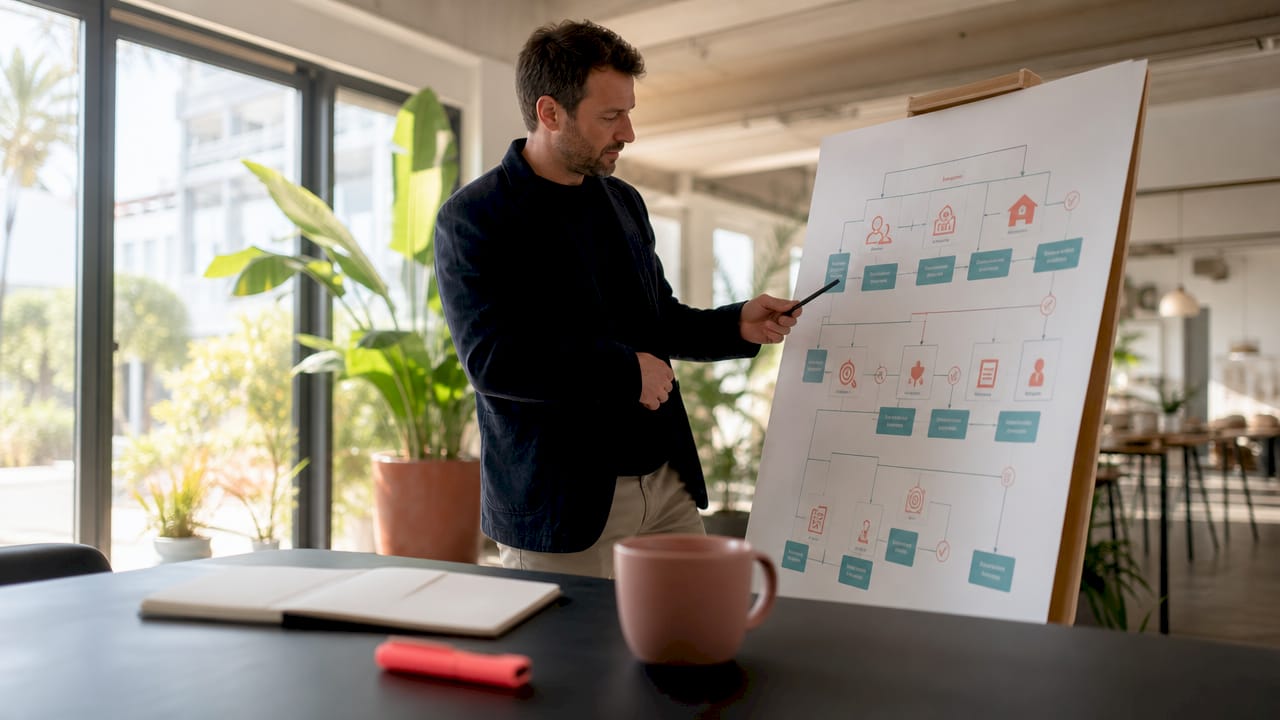
A property management workflow is a systematic, repeatable sequence of tasks that governs how your team handles operations from tenant screening through rent collection, maintenance, and lease renewal. Without a defined process, even experienced property managers spend more time reacting to problems than preventing them. The good news is that structured workflows directly improve profitability. Automating at least 40% of back-office tasks like rent collection and maintenance dispatch increases profit margins by 22%. That single data point makes the case for building a real estate management system that runs on documented, repeatable steps rather than memory and habit.
What are the essential components of a property management workflow?
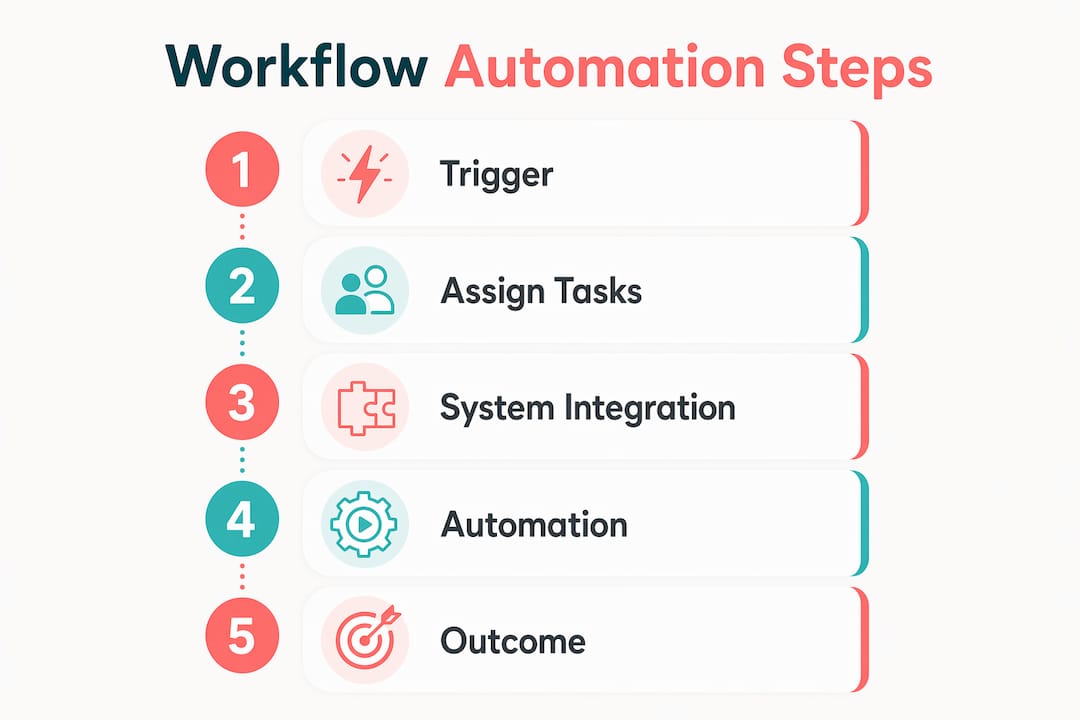
Every effective property management workflow starts with a trigger. A trigger is a defined event such as a tenant inquiry received, a lease signed, a rent due date, a maintenance ticket created, or a lease expiring. Each trigger launches a sequence of steps with clear ownership and escalation rules. Without triggers, tasks fall through the cracks and revenue leaks out.

After the trigger, the workflow moves through sequenced steps assigned to specific roles. A leasing workflow, for example, might move from inquiry to showing to application to screening to lease signing, with each step owned by a named team member or automated system. Assigning ownership at every step prevents the “I thought you handled it” problem that plagues growing portfolios.
System integration is the third pillar. Most property managers use a CRM or property management platform to centralize task tracking, communication logs, and document storage. Documented workflows move tasks from informal channels like text messages and phone calls into a centralized CRM, reducing firefighting and enabling portfolio scaling. The table below summarizes the core components every workflow needs.
| Component | Purpose |
|---|---|
| Trigger | Starts the workflow based on a defined event |
| Step sequence | Breaks the process into ordered, trackable tasks |
| Role assignment | Names who owns each step to prevent gaps |
| Tool integration | Connects CRM, portals, and communication platforms |
| Outcome definition | Sets the expected result that closes the workflow |
The final component is a defined outcome. A workflow without a clear endpoint never officially closes, which makes reporting and auditing impossible. Every process should end with a documented result: lease signed, payment posted, repair confirmed, or tenant notified.
How can property managers implement automation to enhance their workflows?
Automation works best when you apply it to high-volume, repetitive tasks first. The three workflows that deliver the fastest return are rent collection, maintenance dispatch, and tenant communication. These processes happen constantly, consume significant staff time, and follow predictable rules that software handles reliably.
The business case for automation is clear. Firms with partial automation see profit margins 22% higher than those running fully manual operations. That margin difference compounds as your portfolio grows, because automated systems handle 50 units as easily as 5.
Implementation works best in phases. Most firms complete core workflows like rent collection and maintenance intake within 2–4 weeks. A full build including inspections and lease renewals typically takes 60–90 days. Trying to automate everything at once creates confusion and staff resistance. Start with one workflow, confirm it runs correctly, then add the next.
Key benefits of phased automation include:
- Fewer missed payments. Automated rent reminders and late fee triggers remove the need for manual follow-up calls.
- Faster maintenance dispatch. Tickets route to the right vendor automatically based on trade type and urgency.
- Reduced staff burnout. Repetitive communication tasks shift to automated SMS and portal messages.
- Better data. Every automated action creates a log, giving you accurate records for owner reports and audits.
- Portfolio scalability. Automated workflows handle volume increases without proportional staff increases.
Pro Tip: Start with rent collection automation before anything else. It has the clearest ROI, the most predictable logic, and the lowest risk of tenant-facing errors. Once that workflow runs cleanly for 30 days, move to maintenance dispatch.
Automation also handles conditional logic that humans often miss. Auto-escalation rules trigger when a vendor does not confirm a job within a defined time window, routing the ticket to a backup vendor automatically. That kind of reliability is nearly impossible to maintain manually across a large portfolio.
What are best practices for maintenance management within a property management workflow?
Maintenance is the single largest source of owner complaints and staff burnout in property management. Enforcing tenant submissions through a digital portal is the foundation of an accountable maintenance process. Phone-based intake creates no paper trail, no data, and no way to measure response times.
The first step after digitizing intake is triage. Maintenance requests fall into three categories: emergency (immediate response), urgent (within 24 hours), and routine (within 3–5 business days). Applying this framework consistently sets clear expectations for tenants and vendors alike.
| Category | Response Time | Example Issues |
|---|---|---|
| Emergency | Immediate | Gas leak, flooding, no heat in winter |
| Urgent | Within 24 hours | No hot water, broken lock, HVAC failure |
| Routine | 3–5 business days | Minor repairs, cosmetic issues, appliance faults |
Vendor management is equally critical. Best practice calls for maintaining at least three vetted vendors per trade. That redundancy means you always have a backup when your primary plumber is unavailable. Vet vendors annually on response time, quality of work, and invoice accuracy. A vendor who is slow to confirm jobs or submits inflated invoices costs you more than their labor rate suggests.
The full maintenance workflow runs from intake through resolution. A tenant submits a request via the digital portal. The system categorizes it by urgency and routes it to the assigned vendor. The vendor confirms the job. Work is completed and documented with photos. The tenant receives a status update. The invoice is reviewed and posted. The ticket closes.
Pro Tip: Automate tenant status updates at every stage of the maintenance process. Status update calls account for 31% of tenant communications. Eliminating those calls with automated SMS messages frees your team for higher-value work and measurably improves resident satisfaction.
The property maintenance management guide from Costacambrils covers triage workflows in detail for managers handling properties along the Costa Dorada.
How to build, document, and maintain workflows that scale with your portfolio?
A workflow document that reflects how things should work in theory is nearly useless. Effective workflow documentation captures reality: the actual steps your team takes, the tools they use, and the exceptions they encounter. Idealized procedures that nobody follows create a false sense of control.
Building a durable workflow document follows a clear sequence:
- Map the trigger. Name the exact event that starts the process. Be specific: “Tenant submits maintenance request via portal” is better than “maintenance issue reported.”
- List every step. Walk through the process as it actually happens, not as you wish it happened. Include the informal workarounds your team uses daily.
- Assign ownership. Name the role responsible for each step. Use role titles, not individual names, so the document survives staff turnover.
- Identify the tools. Note which platform, form, or communication channel each step uses. This makes onboarding new staff dramatically faster.
- Define the outcome. State what a successfully closed workflow looks like. Include any documentation required before the ticket closes.
- Schedule a review. Set a calendar reminder to revisit the workflow quarterly. Processes change as your portfolio grows and your tools evolve.
Workflows function as living documents reviewed regularly for changing circumstances, not static manuals filed away after creation. A workflow written in january that has not been touched by july is almost certainly out of date.
The onboarding benefit alone justifies the documentation effort. Simple, written SOPs let new hires onboard without needing a senior team member to walk them through every process. That independence reduces training time and lowers the risk of errors during the learning curve.
Keep every workflow document as short as possible. If a process requires more than one page to explain, it probably needs to be simplified before it is documented. Complexity in a workflow document signals complexity in the process itself, and complex processes break under pressure. The residential property management guide from Costacambrils covers how centralized operations and clear SOPs support portfolio growth for owners in the Costa Dorada region.
Key Takeaways
A structured property management workflow, built on clear triggers, defined ownership, and phased automation, is the most direct path to higher margins and a portfolio that scales without proportional staff increases.
| Point | Details |
|---|---|
| Start with triggers | Every workflow begins with a named event that launches a defined sequence of steps. |
| Automate high-volume tasks first | Rent collection and maintenance dispatch deliver the fastest ROI and lowest implementation risk. |
| Triage all maintenance requests | Categorize every request as emergency, urgent, or routine to set clear response expectations. |
| Document reality, not theory | Workflows must reflect actual team behavior to be useful for training and auditing. |
| Treat SOPs as living documents | Review workflows quarterly so they stay accurate as your portfolio and tools evolve. |
What I’ve learned from watching property teams that actually scale
The teams I’ve seen grow portfolios without burning out their staff share one habit: they write things down before they need to. Not after a crisis forces them to, and not as a compliance exercise. They document workflows when processes are working well, so they have a baseline to return to when things go sideways.
The four-pillar framework that high-performing teams use combines centralized operations, data-driven decisions, resident experience, and controlled automation as a unified strategy. The word “unified” is the part most managers miss. They automate rent collection but leave maintenance on spreadsheets. They invest in tenant experience but make decisions based on gut feel rather than KPIs. The pillars only work together.
The other pattern I’ve noticed is that managers who resist automation almost always cite a fear of losing the personal touch with tenants. That fear is understandable but misplaced. Automated SMS updates that tell a tenant their repair is scheduled for thursday morning are not impersonal. They are faster and more reliable than a staff member remembering to call. Residents do not want a phone call. They want to know their problem is being handled.
The property managers who struggle are the ones who keep critical process knowledge in one person’s head. When that person leaves, the portfolio suffers. Documented workflows are not bureaucracy. They are institutional memory that protects your business from the inevitable turnover every team faces.
— Oscar
How Costacambrils supports property managers with expert services
Property managers handling luxury assets along the Costa Dorada face a specific set of operational demands that generic workflow templates do not address. Costacambrils brings together property evaluation expertise, legal advisory services, and full property management support for owners and managers working in the Cambrils and Tarragona markets.
The team at Costacambrils works with landlords who want structured, technology-enabled management without building an in-house operations team from scratch. For managers evaluating high-end assets, the luxury property evaluation guide covers the criteria that matter most in the Costa Dorada market. Owners looking to understand the full scope of professional management can also review the full property management overview to see how centralized operations translate into better returns.
FAQ
What is a property management workflow?
A property management workflow is a documented, repeatable sequence of tasks triggered by a specific event, such as a maintenance request or lease expiration, with defined ownership and expected outcomes at each step.
Which workflows should property managers automate first?
Rent collection and maintenance dispatch deliver the fastest return. Most firms complete these core automations within 2–4 weeks and see profit margin improvements of 22% compared to fully manual operations.
How does maintenance triage improve operations?
Triage categorizes requests as emergency, urgent, or routine, setting clear response times for each. This reduces tenant frustration, prevents staff from treating every request as equally urgent, and creates measurable data for owner reporting.
How often should workflow documents be reviewed?
Workflows should be reviewed at least quarterly. Processes change as portfolios grow and tools evolve, so a document that is not updated regularly stops reflecting operational reality and loses its value for training and auditing.
What is the biggest mistake in workflow documentation?
Documenting how a process should work rather than how it actually works. Idealized workflows that do not match team behavior are ignored in practice and fail to catch the informal workarounds that cause errors and inconsistency.