TL;DR:
- Effective cost-saving strategies for luxury homes focus on energy efficiency, proactive maintenance, and durable materials to reduce operating costs while maintaining property value. Implementing structured upgrades and smart technology can significantly lower expenses, while planning repairs and renovations based on return on investment prevents waste. Prioritizing long-term asset management and working with specialized professionals helps protect and enhance property value over time.
Effective cost-saving tips for luxury homes are strategies that cut operating expenses while protecting property value and maintaining the comfort you expect. Industry standards recommend setting aside 1.5%–2.5% of your home’s total value each year for maintenance alone. That figure reaches €15,000–16,000 annually for a large villa. Add utility bills, landscaping, and system upgrades, and the numbers grow fast. The good news: a structured approach combining energy efficiency, proactive care, and high-ROI upgrades can reduce your total cost of ownership significantly without touching the quality of your lifestyle.
1. Cost-saving tips for luxury homes start with energy efficiency
Energy efficiency is the single highest-leverage area for reducing luxury home operating costs. Passivhaus construction standards increase initial build costs by 5%–15% but deliver 70%–90% annual energy savings. That tradeoff pays for itself faster than most homeowners expect.
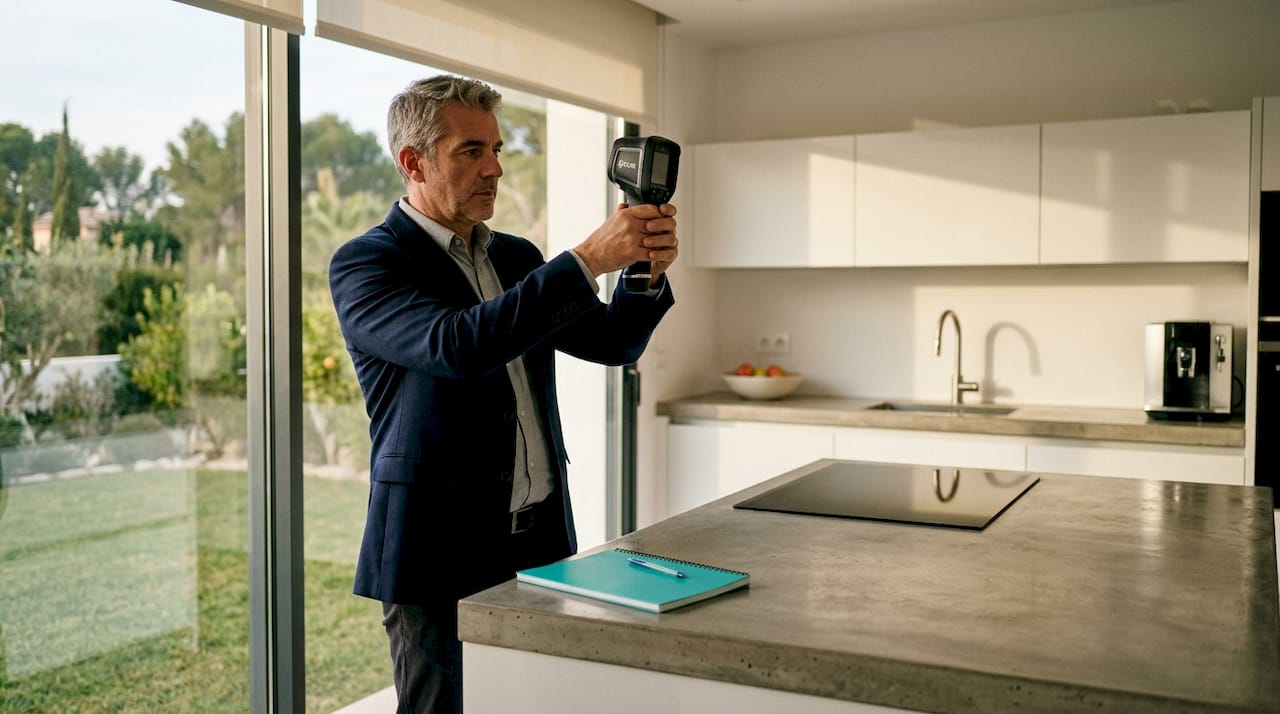
The sequence of upgrades matters as much as the upgrades themselves. Improving the building envelope first, meaning insulation, windows, and air sealing, allows you to install a smaller, cheaper HVAC system afterward. Skipping this step means oversizing your equipment and paying for it twice: once at purchase and again on every utility bill.
Key efficiency upgrades ranked by impact:
- Building envelope: Insulation and triple-glazed windows reduce heat loss and lower HVAC load.
- Smart HVAC zoning: Zoned heating and cooling cuts those costs by 20%–35%, with a return on investment in 4–8 years.
- Solar photovoltaic systems: Solar PV offsets 70%–90% of electricity demand. That is the difference between a large monthly bill and near-zero energy cost.
- LED and smart lighting: Automated lighting systems reduce consumption without any change to ambiance.
Pro Tip: Audit your building envelope before buying any new equipment. A well-sealed home with modest HVAC outperforms a leaky home with a premium system every time.
Sustainable luxury homes also carry a financial bonus at resale. Certified sustainable properties command resale premiums of up to 20% compared to standard homes. Efficiency is not just a running cost strategy. It is a long-term asset protection strategy.
2. Budget proactively to avoid expensive emergency repairs
Luxury homeowners should budget 1.5%–2.5% of total home value annually for maintenance. For a large villa, that is roughly €15,000–16,000 per year. Treating that figure as fixed operational overhead, not an optional expense, is what separates well-maintained properties from those that quietly lose value.
Reactive maintenance costs far more than preventive care. Luxury homes rely on bespoke equipment and custom finishes that are expensive to source and repair on short notice. A compressor failure in a high-end HVAC system can cost three to five times what a scheduled tune-up would have.
A practical preventive maintenance schedule covers:
- Bi-annual HVAC servicing: Clean coils, check refrigerant levels, and test controls before peak seasons.
- Annual roof and facade inspection: Catch water infiltration before it reaches interior finishes.
- Quarterly pest control: Especially relevant in coastal and Mediterranean climates.
- Pool system checks: Monthly filter cleaning and quarterly equipment inspection.
- Exterior upkeep: Repaint, reseal, and treat wood surfaces on a fixed cycle.
Documented maintenance records add measurable value at resale. Buyers and appraisers treat a complete service history as evidence of a well-managed asset. That documentation can justify a higher asking price and shorten time on market.
Pro Tip: Build a digital maintenance log from day one. A simple spreadsheet with dates, contractors, and costs takes minutes to update and saves thousands in negotiation later.
3. Choose durable materials that lower lifetime costs
Material selection is where luxury home budgeting tips pay off most quietly. Premium materials cost more upfront but require far less maintenance over a 20-year horizon. Natural stone, engineered hardwood, and fiber cement cladding all outperform cheaper alternatives in durability and appearance retention.

Investing in durable materials raises initial costs but lowers operational expenses, creating long-term financial and lifestyle benefits. The math is straightforward: a travertine floor that lasts 40 years costs less per year than a composite floor replaced every 10. Luxury aesthetics and financial discipline are not in conflict here. They reinforce each other.
Standardizing design elements also reduces cost without reducing quality. Using consistent window sizes, beam profiles, and tile formats across a property simplifies sourcing, speeds installation, and cuts waste. That discipline is common in high-end architectural projects and rarely visible to the eye.
4. Use smart home technology to control consumption
Smart home energy management gives you real-time visibility into where your money goes. Monitoring consumption anomalies through integrated systems, such as detecting pool pump overuse or an inefficient HVAC zone, prevents waste without any reduction in comfort. You fix the problem before it shows up on a bill.
The practical tools worth installing include:
- Smart thermostats: Programmable by zone, time, and occupancy. They eliminate heating or cooling empty rooms.
- Energy monitoring dashboards: Show real-time consumption by circuit, so you can identify which systems are underperforming.
- Automated irrigation controllers: Adjust watering schedules based on weather data, cutting water bills in dry climates.
- Smart security systems: Reduce insurance premiums and eliminate the cost of on-site security staff for secondary residences.
The concept of “invisible efficiency,” defined as stable comfort with minimal energy and environmental impact, is the standard modern luxury buyers expect. Smart technology is the primary tool for achieving it.
5. Manage landscaping and amenities with a cost-per-year mindset
Landscaping and pool maintenance represent a significant share of annual luxury property costs. For a large estate, these two line items alone can account for a substantial portion of the 1.5%–2.5% maintenance budget. Managing them with a cost-per-year mindset, rather than reacting to seasonal needs, keeps spending predictable.
| Amenity | Typical annual cost range | Key savings lever |
|---|---|---|
| Pool maintenance | $3,000–$6,000 | Automated dosing systems |
| Landscaping | $5,000–$15,000 | Native, low-water plantings |
| Security systems | $2,000–$5,000 | Smart monitoring vs. on-site staff |
| Pest control | $800–$2,000 | Quarterly preventive contracts |
Native and drought-tolerant plantings reduce irrigation costs and eliminate the need for frequent replanting. In Mediterranean climates like the Costa Dorada, this choice is both practical and visually appropriate. A well-designed garden with low-maintenance species looks as refined as a high-maintenance one at a fraction of the ongoing cost.
Pro Tip: Negotiate annual service contracts for pool, landscaping, and pest control rather than paying per visit. Annual contracts consistently cost less and guarantee priority scheduling during peak seasons.
6. Prioritize renovations by ROI, not by trend
Saving money on high-end renovations requires a clear hierarchy. Not every upgrade returns its cost at resale or reduces operating expenses. Kitchen and bathroom renovations, energy system upgrades, and structural improvements consistently outperform cosmetic changes in both lifestyle value and resale return.
Flexible, multi-use spaces are a strong example of budget-conscious luxury home design. A room designed to function as a home office, guest suite, or media room adds perceived value without adding square footage. Reducing total floor area by 10%–15% through smarter spatial planning can cut construction costs significantly while maintaining the luxury feel.
Avoid over-specifying finishes in low-visibility areas. Utility rooms, storage spaces, and secondary bathrooms do not need the same specification level as primary living areas. Allocating budget to standout features, such as a statement kitchen, a primary suite, or a signature outdoor space, creates the impression of total luxury at a lower total cost.
7. Work with professionals who specialize in luxury property management
Professional property management is not an added expense for luxury homeowners. It is a cost-reduction tool. Luxury property management specialists maintain contractor networks, negotiate service contracts at volume rates, and catch maintenance issues before they become emergencies. That expertise pays for itself in avoided repair costs.
Specialist managers also maintain the documentation and compliance records that protect your investment. For secondary residences or investment properties, this is especially valuable. A property that is well-documented, well-maintained, and professionally managed commands higher rental income and a stronger resale position.
The features of high-end villas that retain value longest, such as smart HVAC, solar integration, and premium envelope construction, are also the features that require the most technical knowledge to maintain correctly. Working with professionals who understand these systems prevents costly mismanagement.
8. Apply total cost of ownership discipline from day one
Total cost of ownership (TCO) is the standard framework for evaluating any luxury property purchase or upgrade. TCO accounts for purchase price, financing, annual maintenance, utilities, insurance, and eventual resale value. Homeowners who apply TCO discipline from the start make better decisions at every stage.
The most common mistake luxury homeowners make is optimizing for purchase price while ignoring operating costs. A property with a lower purchase price but outdated systems, poor insulation, and deferred maintenance will cost more over 10 years than a higher-priced, well-specified alternative. Annual maintenance estimates for luxury homes range from $17,300 to $29,400 depending on size and complexity. That range makes system quality a financial decision, not just a comfort one.
Applying TCO thinking also means treating deferred maintenance as a liability. Every repair postponed grows in cost and risk. The discipline of addressing issues on schedule, rather than when they become urgent, is the single most reliable way to protect the value of a luxury asset.
Key takeaways
The most effective approach to reducing luxury home expenses combines proactive maintenance budgeting, sequenced energy upgrades, and total cost of ownership discipline from the moment of purchase.
| Point | Details |
|---|---|
| Budget 1.5%–2.5% annually | Set aside this share of home value each year to cover maintenance without surprises. |
| Sequence energy upgrades correctly | Improve the building envelope before replacing HVAC equipment to maximize savings. |
| Choose durable materials | Higher upfront material costs reduce replacement frequency and lower lifetime expenses. |
| Use smart technology | Energy monitoring and smart controls cut consumption without reducing comfort. |
| Apply TCO discipline | Evaluate every purchase and upgrade by total lifetime cost, not just sticker price. |
What I’ve learned about saving money on luxury homes
The biggest mistake I see luxury homeowners make is treating cost-saving as a threat to their lifestyle. It is not. The most financially disciplined luxury homeowners I have worked with live better, not worse, than those who spend reactively.
The reason is simple. When you invest upfront in quality systems, durable materials, and professional management, you stop spending money on emergencies. Your home runs quietly, efficiently, and without the stress of unexpected bills. That is what real luxury feels like.
The one area where I see the most money wasted is renovation sequencing. Homeowners spend on cosmetic upgrades before fixing the building envelope or the mechanical systems underneath. The result looks good for two years and then starts costing money. Fix the bones of the property first. The finishes will look better and last longer when the systems behind them are working correctly.
My practical advice: treat your maintenance budget as a fixed monthly expense, the same way you treat a mortgage payment. Put it in a dedicated account. Spend it on schedule. The homeowners who do this consistently have properties that appreciate faster, rent for more, and sell with less friction than those who do not.
— Oscar
Costacambrils: expert guidance for luxury property owners
Owning a luxury property on the Costa Dorada is a significant investment. Getting the financial side right from the start determines whether that investment grows or erodes over time.
Costacambrils specializes in luxury real estate in Cambrils and the surrounding Costa Dorada region, with a team that understands both the lifestyle and the financial mechanics of high-end property ownership. Whether you are evaluating a purchase or managing an existing property, the criteria for evaluating luxury properties that Costacambrils applies cover energy efficiency, system quality, and long-term maintenance costs, not just aesthetics. For homeowners looking to maximize the return on their property, Costacambrils also offers full property management services designed to reduce operating costs and protect asset value over time.
FAQ
How much should luxury homeowners budget for annual maintenance?
Industry standards recommend budgeting 1.5%–2.5% of total home value each year. For a large luxury villa, that figure reaches approximately €15,000–16,000 annually.
What energy upgrade delivers the fastest return in a luxury home?
Smart HVAC zoning reduces heating and cooling costs by 20%–35% and typically returns its investment within 4–8 years, making it one of the highest-ROI upgrades available.
Does building to Passivhaus standards make financial sense?
Yes. Passivhaus construction adds 5%–15% to initial costs but saves 70%–90% on annual energy bills and reduces maintenance costs by approximately 30% over the property’s lifetime.
How do sustainable luxury homes perform at resale?
Certified sustainable homes command resale premiums of up to 20% compared to standard properties, driven by lower operating costs and future-proof design features.
What is the most common financial mistake luxury homeowners make?
Deferring maintenance is the most costly mistake. Reactive repairs on bespoke luxury systems and custom finishes consistently cost far more than scheduled preventive care.