TL;DR:
- Effective property viewings require thorough preparation, strategic scheduling, and prompt follow-up to increase buyer engagement. Proper staging and a well-structured tour maximize emotional impact, while personalized communication within 24 hours sustains interest. Avoiding common mistakes ensures faster sales and more confident negotiations.
Managing property viewings is the process of organizing, presenting, and facilitating visits to a property to maximize buyer interest and speed up decision-making. Done well, it directly affects how quickly you sell or rent and at what price. Professionally staged properties sell 30–50% faster and can command around 5% more than unstaged equivalents. That gap represents real money. This guide covers every stage of the process, from preparation and scheduling to conducting tours and following up, so you walk away with a clear, repeatable system.
How to manage property viewings: preparation that sets you up to win
Effective management of property visits starts long before the first buyer walks through the door. The work you do in advance determines the quality of every showing that follows.
Staging and presentation basics
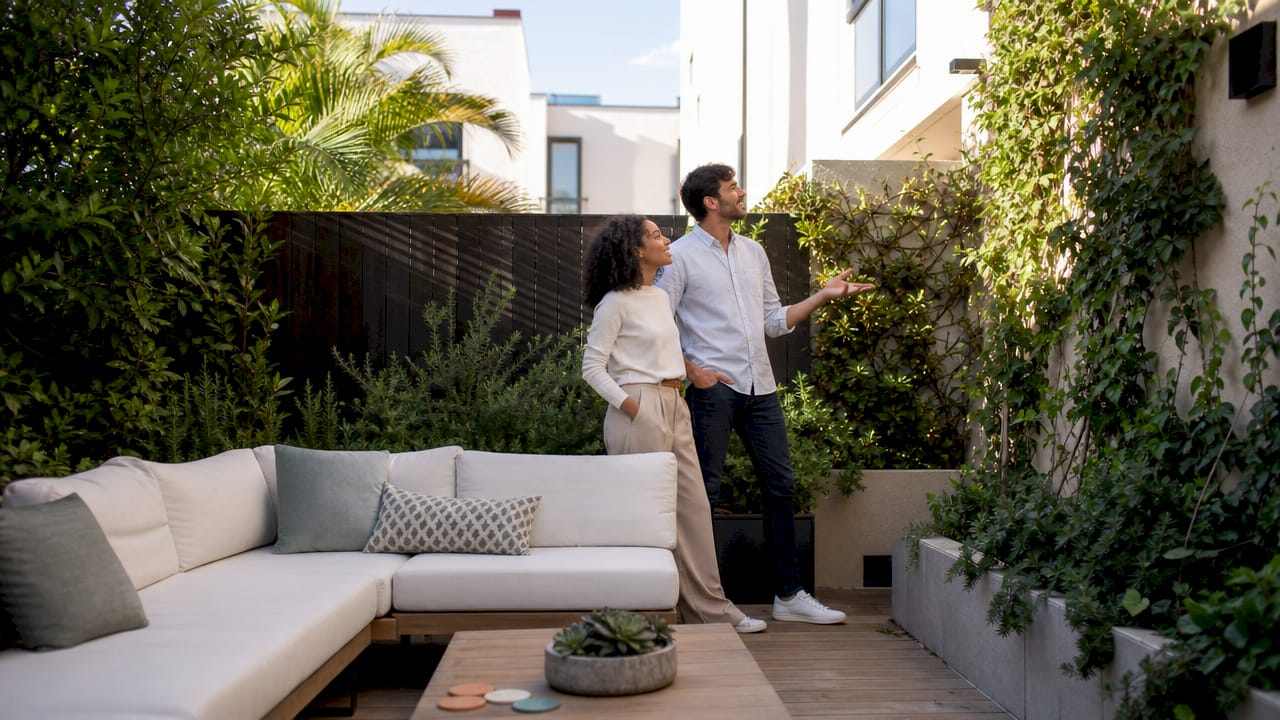
Buyer decisions happen within the first 90 seconds of entering a property. That means your entrance hall, living room, and kitchen carry more weight than any feature you mention later. Declutter every room so buyers can picture their own belongings in the space. Remove personal photos, excess furniture, and anything that makes rooms feel smaller or more specific to your taste.
Lighting is the single most underrated preparation tool. Open every blind and curtain before a showing, replace dim bulbs with daylight-spectrum options, and add floor lamps to dark corners. Clean surfaces, fresh paint on scuffed walls, and repaired door handles cost very little. Minor cosmetic repairs and decluttering consistently deliver better returns than costly renovations.
Pro Tip: Set your thermostat to a comfortable temperature before each showing. Buyers who feel physically comfortable stay longer and engage more positively with the space.
Scheduling viewings for maximum impact
Schedule viewings 24–48 hours in advance to give buyers enough time to prepare without losing momentum. Avoid last-minute bookings that force you to rush the presentation. Concentrating viewings in blocks, such as open house weekends, creates a sense of competition among buyers and can accelerate decisions.
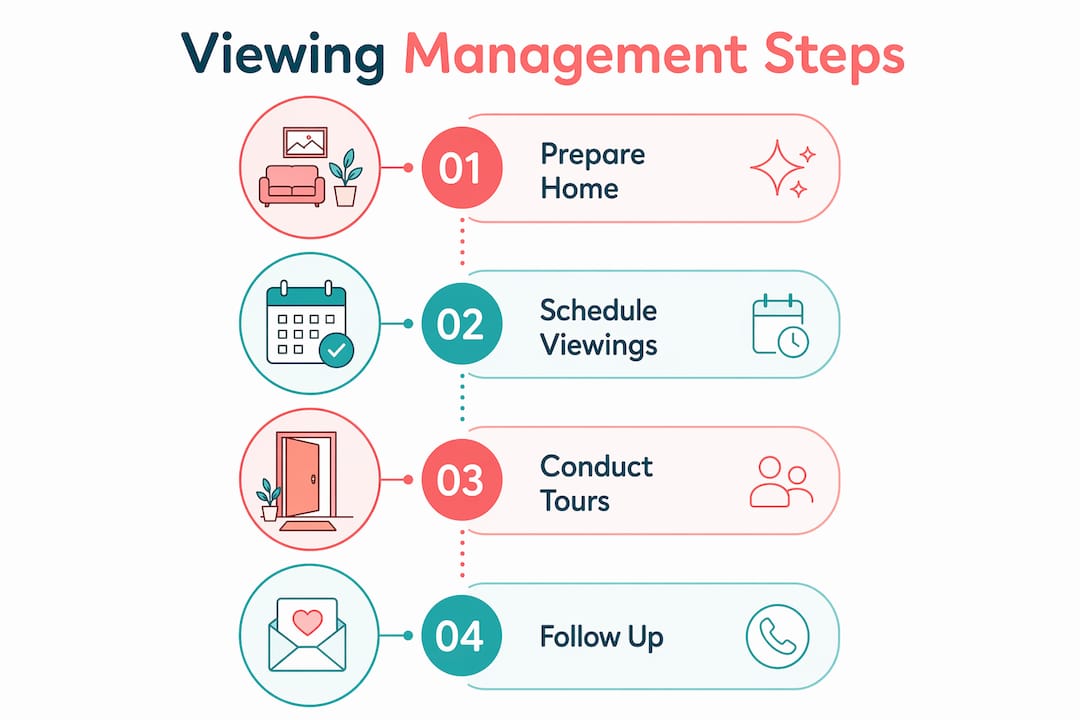
Book time slots of 45–60 minutes each. That gives you enough buffer between groups so one showing never bleeds into the next. Saturday and Sunday mornings between 10:00 AM and 1:00 PM are consistently the most productive windows, since buyers are relaxed and have time to think.
Pre-viewing checklist
Use this checklist before every showing to avoid preventable mistakes:
| Preparation area | What to check |
|---|---|
| Cleanliness | Floors, windows, bathrooms, and kitchen surfaces spotless |
| Lighting | All bulbs working, blinds open, lamps on |
| Repairs | Leaky taps, broken handles, cracked tiles addressed |
| Documentation | Energy certificate, floor plan, utility bills ready to share |
| Ambiance | Temperature comfortable, subtle scent, no strong cooking odors |
| Exterior | Front door clean, garden tidy, pathway clear |
Having your property documentation ready before the first viewing signals professionalism and prevents delays later in the process.
How to conduct property viewings that engage buyers
The way you run a showing shapes how buyers feel about the property long after they leave. Technique matters as much as preparation.
Plan your tour route strategically
Start the tour in the room that generates the strongest positive emotion, typically the living room or a room with a strong view. Move through the property in a logical flow, saving functional spaces like utility rooms and storage for last. Ending on a calm, practical note closes the tour without deflating the emotional high built earlier.
A structured route also prevents buyers from wandering into unprepared areas or fixating on a single flaw before they have seen the property’s strengths. Think of the tour as a story with a beginning, middle, and end.
Give buyers space to explore
- Introduce each room with one or two key facts, then step back.
- Let buyers walk through at their own pace without commentary filling every silence.
- Answer questions directly and honestly when asked.
- Avoid interrupting buyers who are quietly discussing the space with each other.
- Wrap up with an open invitation: ask what they liked and what questions remain.
Giving buyers space to explore independently builds rapport and empowers their decision-making. Buyers who feel pressured disengage faster and are less likely to make an offer.
Use sensory cues deliberately
Subtle scents, comfortable temperature, and soft background music create a welcoming atmosphere that buyers respond to emotionally. A diffuser with a light citrus or linen scent works well. Avoid heavy air fresheners, which signal that you are masking something. Keep music low enough that it does not interrupt conversation.
“Successful presentations empower buyer decision-making without using pressure or excessive commentary. The seller’s role is to facilitate, not to sell.” Secrets of a successful property presentation
Pro Tip: Act as a facilitator, not a salesperson. Your job during the tour is to answer questions and create comfort, not to list every feature unprompted.
What follow-up actions after viewings maximize engagement?
The 24 hours after a showing are the most critical window for maintaining buyer interest. Most sellers lose momentum here by waiting too long or sending generic messages.
Follow up within 24 hours
Attentive follow-up within 24 hours with any requested details keeps buyers engaged and signals that you are organized and easy to work with. Send utility bills, community fee breakdowns, or floor plans the same day if a buyer asked for them during the tour. Delays create doubt.
Personalize every follow-up message. Reference something specific from the viewing, such as the buyer’s interest in the terrace or their question about parking. Generic messages feel like copy-paste and reduce trust.
- Send a thank-you message within 2–4 hours of the viewing ending.
- Attach any documents requested during the tour.
- Include a clear next step: a second viewing, a call to discuss terms, or a deadline for offers.
- Ask one open question to invite a response, such as “Did the layout work for what you had in mind?”
- Log every interaction so you can track where each buyer stands.
Follow-up approach comparison
| Approach | Outcome |
|---|---|
| Generic thank-you email, no attachments | Low engagement, buyer moves on quickly |
| Personalized message with requested documents | Higher trust, buyer stays in conversation |
| Follow-up with clear next step and deadline | Faster decision-making, fewer drop-offs |
| No follow-up within 48 hours | Buyer loses confidence, interest fades |
Transparency about property issues during follow-up, including sharing documentation for known defects, builds credibility and reduces friction in later negotiations. Buyers who feel informed are buyers who move forward.
Common mistakes in managing property viewings
Even well-prepared sellers make avoidable errors that slow down the process or reduce buyer confidence.
- Overscheduling. Booking too many viewings in a single day exhausts you and leads to rushed, low-quality tours. Limit showings to four or five per day maximum.
- Over-personalizing the space. Family photos, strong color choices, and niche décor make it harder for buyers to picture themselves living there. Neutral presentation works better.
- Ignoring technical issues. A dripping tap or a broken light switch signals neglect to buyers. Fix minor issues before the first showing, not after.
- Missing documentation. Buyers who ask for an energy certificate or floor plan and receive nothing lose confidence fast. Have every document ready before viewings begin. The seller’s preparation guide from Costacambrils covers exactly what to prepare.
- Being intrusive during tours. Hovering over buyers, filling silences with sales talk, and interrupting their conversations are the fastest ways to kill interest.
- Neglecting follow-up. Waiting more than 48 hours to respond signals disorganization and gives buyers time to move on to other properties.
Pro Tip: If you find it hard to stay objective when buyers criticize your home, consider having an agent or trusted third party conduct the tours. Emotional detachment produces better outcomes.
Key Takeaways
Effective property viewing management combines preparation, structured tours, and prompt follow-up to maximize buyer engagement and shorten the time to sale or rental agreement.
| Point | Details |
|---|---|
| Stage before every showing | Declutter, clean, and fix minor repairs to create a strong first impression within 90 seconds. |
| Schedule viewings in blocks | Concentrated showing windows create buyer competition and accelerate decisions. |
| Run a structured tour | Start with the strongest room, give buyers space to explore, and end on a calm note. |
| Follow up within 24 hours | Send requested documents and a personalized message with a clear next step. |
| Avoid common pitfalls | Overscheduling, over-personalizing, and delayed follow-up are the top reasons deals stall. |
What I’ve learned from watching sellers get viewings wrong
Most sellers focus entirely on the property and almost nothing on the process. That is the real mistake.
I have seen beautifully staged homes sit on the market for months because the owner hovered during tours, answered every question defensively, and sent follow-up emails three days later. The property was not the problem. The management was.
Mental detachment is the hardest skill to develop, but it is the most valuable one. When a buyer says the kitchen feels small, the right response is “That is useful feedback, thank you.” Not a defense of your renovation choices. Admitting defects and providing documentation builds more credibility than a checklist of features ever will.
The other thing most guides miss is the value of clustering viewings. When buyers know others are looking at the same property on the same weekend, they move faster. It is not manipulation. It is accurate information about market interest. Use it.
Start every tour in the room that made you fall in love with the property. That emotion is transferable. End in the utility room or the storage closet. Let the practical details close quietly, after the emotional work is done.
— Oscar
Selling or renting in Costa Dorada? Costacambrils can help
Costacambrils specializes in luxury property sales and rentals across the Costa Dorada, with deep experience in the Cambrils market. The team handles the full process, from professional staging advice and documentation preparation to scheduling and conducting viewings on your behalf.
Whether you are selling a villa, a townhouse, or a coastal apartment, Costacambrils provides the local expertise and marketing reach to attract serious buyers. The team’s property listings on Fotocasa give your property maximum visibility with qualified buyers actively searching in the region. For sellers who want a structured, professional approach to every stage of the process, Costacambrils is the right partner.
FAQ
How long should a property viewing last?
The optimal viewing duration is 30–45 minutes. That is enough time to cover all key areas without causing buyer fatigue.
When is the best time to schedule property viewings?
Saturday and Sunday mornings between 10:00 AM and 1:00 PM consistently produce the most engaged buyers. Schedule at least 24–48 hours in advance.
How soon should I follow up after a property showing?
Follow up within 24 hours with a personalized message and any documents the buyer requested. Delays beyond 48 hours significantly reduce buyer engagement.
Should I be present during property viewings?
You can be present, but act as a facilitator rather than a salesperson. Give buyers space to explore and answer questions honestly without pressure.
Does home staging really make a difference?
Staged properties sell 30–50% faster and can achieve around 5% higher prices than unstaged equivalents. The return on basic staging consistently outweighs the cost.