TL;DR:
- A property buying checklist guides buyers through financing, legal verification, and inspections to ensure a successful and cost-effective purchase. Proper preparation of finances, clear property criteria, and thorough legal due diligence are essential to avoid costly mistakes and legal issues. Following a structured sequence and leveraging professional support increases confidence and helps buyers build wealth through strategic investments.
A property buying checklist is a structured set of steps every buyer must complete, from financing and inspections to legal verification, to close a successful purchase without costly surprises. Whether you are a first-time homebuyer or a seasoned real estate investor, skipping even one step in the home purchase guide can expose you to financial loss, legal disputes, or structural problems you cannot undo. The full process, known in the industry as real estate due diligence, typically takes 3 to 6 months from search to closing. This guide covers every phase in sequence so you can move through each stage with confidence.

1. Build your property buying checklist before you search
The most common mistake buyers make is treating the checklist as something you fill in after you find a property you love. The checklist is the framework you build before you ever step inside a house. It covers four domains: financial readiness, property evaluation, legal due diligence, and closing logistics. Buyers who skip the first domain, financial preparation, often lose their preferred property because their mortgage falls through during underwriting. Treat the checklist as a project plan, not a post-purchase formality.
2. Prepare your finances before anything else
Financial health determines your mortgage terms more than the property you choose. A weak credit profile or unstable income can cost you tens of thousands in higher interest rates over the life of a loan. Start here, not with property searches.
Your financial preparation checklist:
- Check your credit score. Conventional loans require 620+; FHA loans accept scores as low as 580. Even a 20-point improvement can lower your rate significantly.
- Calculate your total budget. Include the down payment, closing costs, and reserve funds. Budget an additional 10% to 15% above the purchase price to cover taxes, legal fees, and registry costs.
- Get mortgage pre-approval. Initial pre-approval takes 1 to 3 days. Final underwriting takes 30 to 45 days. Start this process before you schedule any viewings.
- Stabilize your financial profile. Avoid opening new credit cards, financing a car, or making large purchases. New debt during underwriting can kill a mortgage application at the final stage.
- Gather documentation early. Lenders require two years of tax returns, recent pay stubs, bank statements, and proof of assets.
Pro Tip: If you are buying in Spain or another European market, currency fluctuations can add thousands to your total cost. Forward Contracts lock in exchange rates and protect your budget from sudden swings.
For buyers targeting Spanish properties, Costacambrils offers a detailed Spain mortgage guide covering pre-approval steps for international luxury buyers.
3. Define your property criteria before you search
Buyers who search without defined criteria waste months viewing properties that do not fit their actual needs. Write down your non-negotiables before you contact any agent or set up any alerts.
Your property search checklist:
- Separate needs from wants. Bedrooms, proximity to work, and budget are needs. A pool or a south-facing terrace are wants. Knowing the difference prevents emotional overspending.
- Research neighborhoods thoroughly. Check school ratings, public transport links, crime statistics, and planned development projects nearby. A great property in a declining neighborhood is a poor investment.
- Set up property alerts. Platforms like Idealista and Fotocasa in Spain send instant notifications when matching listings appear. Speed matters in competitive markets.
- Work with a local agent. Agents with hyperlocal knowledge identify off-market deals and flag overpriced listings before you waste time on viewings.
- Check HOA rules and fees. Homeowner association restrictions can limit renovations, short-term rentals, and even exterior paint colors. These rules directly affect investment returns.
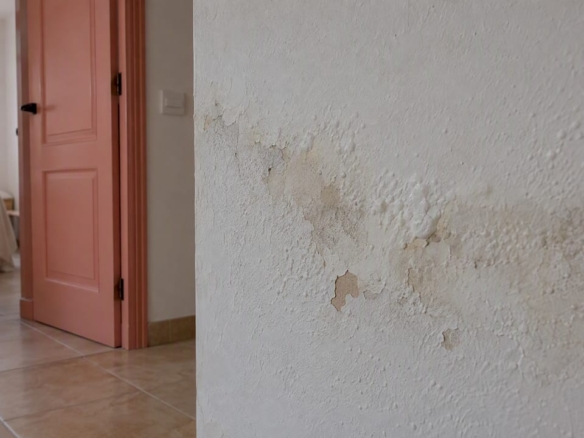
- Assess condition on first viewing. Look for water stains on ceilings, cracks in exterior walls, signs of damp in basements, and the age of the roof and windows.
4. Conduct legal due diligence before signing anything
Legal due diligence is the phase where most buyers, especially international ones, make their most expensive mistakes. Emotional attachment before legal checks is the single most cited pitfall among international property buyers. You must verify ownership, liens, permits, and zoning before you commit a single euro or dollar.
Pro Tip: Never use a lawyer recommended by the seller or the selling agent. Independent legal representation aligned solely with your interests is the only way to protect against hidden liabilities.
Legal checklist
| Legal check | What to verify |
|---|---|
| Ownership title | Confirm the seller holds clear, undisputed title to the property |
| Liens and debts | Check for outstanding mortgages, unpaid taxes, or creditor claims on the property |
| Zoning and permits | Verify the property’s legal use and that all structures have approved building permits |
| Contract conditions | Review all clauses for penalties, deposit terms, and completion deadlines |
| International complexity | For cross-border purchases, confirm foreign ownership rules and tax treaty implications |
For buyers purchasing in Spain, Costacambrils provides a dedicated guide on Spanish real estate laws that covers the full legal framework for international buyers.
House inspection checklist
A professional home inspection is separate from legal due diligence. Hire a licensed inspector to assess:
- Structural integrity: Foundation, load-bearing walls, and roof framing
- Electrical systems: Panel age, wiring type, and compliance with current codes
- Plumbing: Pipe material, water pressure, and signs of leaks or corrosion
- HVAC systems: Age, efficiency rating, and service history of heating and cooling units
- Roof condition: Remaining lifespan, flashing integrity, and gutter condition
After the inspection, you have three options: request the seller make repairs, negotiate a price reduction to cover repair costs, or walk away if the issues are too severe. A thorough house inspection checklist protects you from inheriting problems that cost far more than you saved on the purchase price.
5. Make a strong offer and negotiate strategically
Once due diligence confirms the property is sound, structuring your offer correctly is what separates buyers who close from those who lose deals.
- Set your offer price based on comparable sales. Pull recent sold prices for similar properties within a half-mile radius, not asking prices.
- Include a deposit that signals commitment. A larger earnest money deposit tells the seller you are serious and financially capable.
- Add the right contingencies. Financing, inspection, and appraisal contingencies protect you without making your offer look weak.
- Match the seller’s preferred timeline. Offering the seller’s ideal closing date can beat a higher bid in competitive markets. This is a no-cost tactic that most buyers overlook.
- Negotiate beyond price. Ask for appliances, furniture, or a credit toward closing costs instead of a lower price. Sellers often resist price cuts but accept concessions more readily.
- Submit your final mortgage application immediately after offer acceptance. The clock on the 30 to 45 day underwriting window starts now.
- Complete the final walkthrough within 24 hours of closing. Confirm the property’s condition matches what you agreed to purchase. Check that all agreed repairs were completed and that no fixtures were removed.
- Review all closing documents before the signing date. The Closing Disclosure lists every fee. Errors in this document are common and correctable if caught early.
Key takeaways
A successful property purchase requires financial preparation, legal verification, and a structured offer strategy executed in the correct sequence.
| Point | Details |
|---|---|
| Financial prep comes first | Secure mortgage pre-approval and stabilize your credit before viewing any property. |
| Budget 10%–15% above purchase price | Transaction fees, taxes, and legal costs routinely add this amount to your total outlay. |
| Hire an independent lawyer | Never use a lawyer referred by the seller; independent counsel is the only protection against hidden liabilities. |
| Inspection drives negotiation | A professional house inspection checklist gives you documented leverage to reduce price or demand repairs. |
| Seller timeline beats higher bids | Matching the seller’s preferred closing date is a no-cost tactic that wins competitive offers. |
What I’ve learned after years of watching buyers get it wrong
I have seen buyers lose deposits, inherit illegal extensions, and overpay by six figures, almost always for the same reasons. They fell in love with a property before they understood what they were buying. They trusted the seller’s lawyer. They skipped the inspection because the house “looked fine.”
The buyers who close well treat the process like an investor, not a homeowner in waiting. They run the numbers before they run the viewings. They hire professionals who work for them, not for the deal. They understand that an effective exit strategy matters even when you plan to live in the property, because life changes and markets shift.
One thing I tell every buyer: the property you walk away from because the inspection revealed a problem is not a loss. It is the best money you never spent. The discipline to follow a checklist when your emotions are pulling you toward a decision is the actual skill that separates buyers who build wealth from those who spend years recovering from a bad purchase.
For investors specifically, the checklist for buying property abroad adds layers around currency risk, foreign ownership restrictions, and tax treaty implications that domestic buyers never face. Plan for those layers from day one, not after you have signed a reservation agreement.
— Oscar
How Costacambrils supports your property purchase
Costacambrils specializes in luxury property sales and rentals along the Costa Dorada, with deep expertise in the Cambrils and Tarragona markets. The team provides legal support referrals, property valuations, and full transaction management so buyers do not have to coordinate every professional independently. Whether you are a first-time buyer or an international investor, Costacambrils connects you with vetted listings and the specialists you need at each stage of your checklist. Explore current property listings on Fotocasa or review the agency’s 2026 investment guide to identify the right opportunity for your goals.
FAQ
What is a property buying checklist?
A property buying checklist is a structured list of steps covering financial preparation, property search, legal due diligence, and closing tasks that every buyer must complete to purchase safely. It functions as a project plan that reduces the risk of costly oversights.
How long does the home buying process take?
Buying a home typically takes 3 to 6 months from the start of your search to closing, with mortgage underwriting alone requiring 30 to 45 days. Starting financial preparation early shortens the overall timeline.
What does a house inspection checklist cover?
A professional house inspection checklist covers structural integrity, electrical systems, plumbing, HVAC units, and roof condition. The findings give buyers documented grounds to negotiate repairs or a price reduction before closing.
Do I need a lawyer when buying property abroad?
Yes. Independent legal representation is mandatory for international purchases to verify ownership, check for liens, and confirm all permits are legal. Never use a lawyer recommended by the seller or their agent.
How much should I budget beyond the purchase price?
Budget an additional 10% to 15% above the purchase price to cover transaction taxes, legal fees, notary costs, and registry charges. International buyers should also account for currency exchange costs and potential rate fluctuations.