
TL;DR:
- Architects evaluate a property’s design potential and long-term adaptability before purchase. They help buyers understand layout, zoning, and expansion options, complementing technical inspections. Engaging an architect early improves negotiation, reduces risks, and enhances long-term investment value.
Architects define the role of architects in home buying as expert evaluators of a property’s design potential, functional layout, and regulatory fit before any contract is signed. Most buyers rely on technical inspectors to catch defects, but architects answer a different and equally critical question: does this property actually work for your life, now and in the future? Engaging an architect before purchase gives you a clearer picture of what a home can become, not just what it currently is. For homebuyers and property investors, that distinction can be the difference between a sound investment and a costly mistake.
How do architects assess a property before purchase?
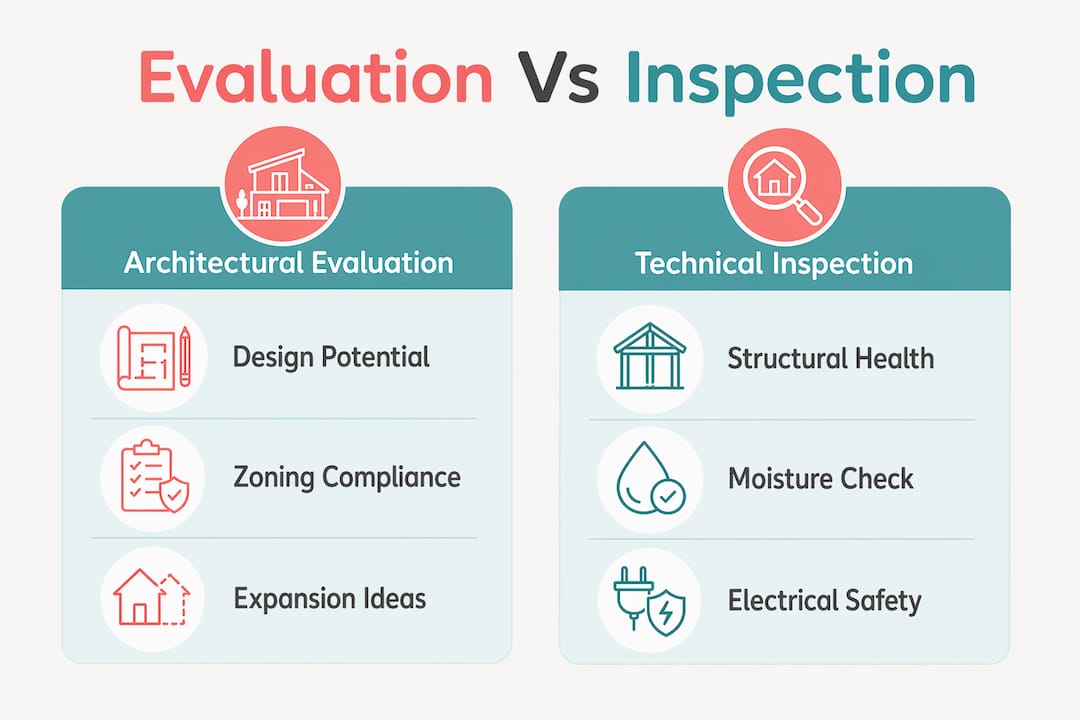
Architects evaluate a property through the lens of design logic and long-term adaptability. Where a technical inspector checks whether a roof is sound, an architect asks whether the floor plan makes sense, whether the rooms flow naturally, and whether the site allows for future changes. This is the core of architectural services for homes: reading a property’s potential, not just its current condition.
A pre-purchase architectural assessment typically covers these areas:
- Layout efficiency: Architects identify whether the living spaces connect logically. A kitchen isolated from the dining area, or bedrooms placed above a garage, signals design flaws that affect daily comfort and resale appeal.
- Zoning and building codes: Local zoning rules determine what you can build, extend, or modify. An architect reads these regulations and tells you upfront whether your plans are feasible.
- Expansion potential: Can you add a floor, extend the rear, or convert the garage? Architects assess structural and regulatory constraints that determine whether a property can grow with your needs.
- Site orientation: South-facing gardens and well-positioned windows reduce energy costs and improve comfort. Architects evaluate natural light, prevailing winds, and shading from neighboring structures.
- Design flaws: Low ceilings in key rooms, awkward load-bearing walls, or poorly placed staircases are problems that renovation cannot always fix affordably.
Architectural consultations can quickly evaluate layout logic, zoning constraints, and expansion possibilities that go well beyond surface-level defects. That speed matters when you are competing in a fast-moving property market.
Pro Tip: Ask your architect to sketch a rough renovation concept during the pre-purchase visit. Even a basic sketch reveals whether your vision for the space is structurally and legally achievable before you commit.

What is the difference between architectural evaluation and technical inspection?
These two assessments are complementary, not interchangeable. Buyers who confuse them often end up with a structurally sound home that does not fit their lifestyle, or a beautifully designed property hiding serious defects.
Technical inspectors focus on building health, while architects assess strategic design decisions and a property’s potential to meet the buyer’s lifestyle. The table below shows how each role operates in practice.
| Evaluation area | Technical inspector | Architect |
|---|---|---|
| Structural integrity | Checks foundations, walls, and roof | Notes structural constraints affecting design |
| Moisture and defects | Identifies damp, leaks, and wiring issues | Flags design conditions that worsen moisture risk |
| Layout and flow | Not assessed | Evaluates room logic and living efficiency |
| Zoning and permits | Not assessed | Reviews local regulations and expansion rights |
| Future adaptability | Not assessed | Assesses modification potential and design feasibility |
| Renovation cost estimate | Not provided | Provides rough feasibility and scope guidance |
Professional technical inspections uncover serious defects in 61% of real estate cases. That statistic shows how often buyers face hidden problems without expert help. An architect adds a second layer of protection by revealing whether the property’s design logic supports your goals even after defects are resolved.
Pro Tip: Book both an architect and a technical inspector for the same site visit when possible. They will catch different problems, and their combined findings give you the strongest negotiating position.
When and how should buyers engage architects during the home buying process?
Timing is everything. The optimal moment for assessment is before signing any purchase agreement or paying a deposit. Once you sign, your leverage shrinks significantly.
Here is a practical sequence for integrating architectural advice into the home buying process:
- Shortlist properties with architectural potential in mind. Before scheduling viewings, share your lifestyle goals with an architect. They can flag property types or layouts that are unlikely to meet your needs, saving you time on unsuitable visits.
- Bring an architect to the second viewing. The first viewing is emotional. The second is where you need expert eyes. An architect can assess the property in under two hours and give you a clear read on its design strengths and weaknesses.
- Use an hourly architect service for flexible consultations. The “hourly architect” model offers non-contractual, rapid expert consultation focused on modifications, zoning, and functional logic before you commit to purchase. This format suits buyers who want professional input without a full design contract.
- Integrate architectural findings into your offer. If the architect identifies costly layout problems or regulatory barriers, use those findings to negotiate a lower price or request seller concessions before signing.
- Confirm feasibility before the contract is finalized. Contracts often include “as-is” clauses that shift risk to buyers when inspections occur after signing. An architect’s pre-contract report protects you from committing to a property that cannot deliver what you need.
The smart buyer’s checklist from Costacambrils outlines how to sequence these evaluations within the broader purchase process, which is useful if you are managing multiple professionals at once.
How can architectural insight add value and enhance long-term investment?
Architects help buyers see beyond the property as it stands today. Architectural insights enable buyers to understand whether a property is functionally adaptable and worth investment beyond its structural soundness. That forward-looking perspective is what separates a good purchase from a great one.
The value architects add to a property investment falls into four clear areas:
- Unlocking hidden potential: A property with an awkward layout might be one wall removal away from a dramatically better floor plan. Architects identify these opportunities before purchase, so buyers can factor renovation costs into their offer price rather than discovering them afterward.
- Avoiding incompatible purchases: Not every property can be transformed to meet a buyer’s needs. An architect tells you when a home’s structural constraints, ceiling heights, or site boundaries make your vision impossible. Walking away from the wrong property is as valuable as finding the right one.
- Navigating local planning rules: Zoning regulations in coastal areas like the Costa Dorada are specific and sometimes restrictive. An architect familiar with local planning frameworks can confirm whether an extension, terrace addition, or garage conversion is permitted before you buy. Costacambrils provides luxury property evaluation criteria that align with these local regulatory realities.
- Improving resale appeal: Design improvements that increase natural light, improve room flow, or add usable outdoor space consistently raise a property’s market value. Buyers who act on architectural advice before purchasing often build equity faster than those who buy on aesthetics alone.
Homebuyers tend to value aesthetics but face expensive hidden issues without architectural and technical guidance. That pattern repeats across markets because emotional responses to a property’s surface appearance override rational assessment of its underlying potential.
What I’ve learned about architects and the home buying process
After years of observing property transactions on the Costa Dorada, one pattern stands out clearly. Buyers who skip architectural input almost always regret it, not because the property falls apart, but because it never quite fits.
Technical inspectors do essential work. A report confirming sound foundations and clean wiring is genuinely reassuring. But it tells you nothing about whether the living room will feel cramped after you move in, or whether the local council will approve the terrace you planned. Those are architectural questions, and they carry real financial weight.
The buyers I have seen make the strongest purchases treat the architect as a filter, not a formality. They use architectural input to eliminate unsuitable properties early, sharpen their negotiating position, and enter contracts with a clear renovation plan already costed. That approach consistently produces better outcomes than buying on instinct and fixing problems later.
The “hourly architect” model has changed this dynamic for many buyers. It removes the barrier of a full design contract and makes expert input accessible at the exact moment it matters most: before you sign anything. If you are serious about a property, two hours with an architect before the contract stage is one of the most cost-effective decisions you can make.
The uncomfortable truth is that most buyers underestimate how much design logic affects daily life. A technically sound home with a poor layout will frustrate you every day. An architecturally considered home, even a modest one, will feel right from the first morning you wake up in it.
— Oscar
Costacambrils and expert property evaluation on the Costa Dorada
Buying property on the Costa Dorada involves more than finding the right location. Design quality, regulatory compliance, and long-term adaptability all shape whether a property delivers on its promise.

Costacambrils connects buyers with the expert support needed to evaluate properties thoroughly before committing. The team provides access to property assessments, legal guidance, and market knowledge specific to Cambrils and the surrounding Costa Dorada region. Whether you are buying a villa, an apartment, or a new development, Costacambrils helps you ask the right questions before you sign. Explore the benefits of investing in real estate in 2026 and see how expert guidance shapes better purchase decisions. You can also browse current listings and luxury property options directly through the Costacambrils platform.
Key takeaways
Architects add irreplaceable value to the home buying process by evaluating design potential, regulatory fit, and functional adaptability before any contract is signed.
| Point | Details |
|---|---|
| Engage architects before signing | Pre-contract architectural input preserves buyer leverage and prevents costly post-signing surprises. |
| Architects and inspectors serve different roles | Inspectors assess structural health; architects evaluate design logic, layout, and future adaptability. |
| Hourly architect services lower the barrier | Non-contractual rapid consultations give buyers expert design input without a full project commitment. |
| Design flaws affect long-term value | Poor layout, zoning barriers, and expansion limits reduce resale appeal and daily livability. |
| Early input strengthens negotiation | Architectural findings on layout problems or regulatory constraints support lower offers or seller concessions. |
FAQ
What does an architect do during a home purchase?
An architect evaluates a property’s layout, zoning compliance, and expansion potential before purchase. This assessment reveals whether the home can be adapted to meet the buyer’s lifestyle and investment goals.
How is an architect different from a technical inspector?
A technical inspector checks for structural defects, moisture, and wiring problems. An architect assesses design logic, functional flow, and regulatory feasibility, which are factors that determine whether the property fits the buyer’s needs long term.
When should I hire an architect during the home buying process?
The best time to engage an architect is before signing any purchase agreement. Post-signing assessments often eliminate your right to negotiate repairs or withdraw from the deal.
Do architects add value to homes?
Architects identify design improvements and expansion opportunities that raise a property’s market value and livability. Buyers who act on architectural advice before purchasing typically build equity faster than those who rely on aesthetics alone.
What is the hourly architect model?
The hourly architect service provides rapid, non-contractual expert consultation focused on a property’s design potential, zoning constraints, and modification feasibility. It is designed for buyers who need professional input at a specific decision point without committing to a full design project.
Recommended
- Property Buying Checklist: Steps for Smart Buyers in 2026 – Inmobiliaria Costa Cambrils
- Checklist for Buying New Homes 2026: Full Guide – Inmobiliaria Costa Cambrils
- Apartment Buying Checklist 2026: Your Step-by-Step Guide – Inmobiliaria Costa Cambrils
- Checklist for Buying Villas: 2026 Buyer’s Guide – Inmobiliaria Costa Cambrils