A property inspection is a professional, non-invasive visual assessment of a building’s physical condition, carried out by a licensed architect, technical architect, or building engineer before a purchase, sale, or rental agreement. The inspector examines the structure, building envelope, electrical and plumbing systems, HVAC, interior finishes, and safety compliance, then delivers a written report with photographs and repair recommendations. Unlike a bank appraisal, which establishes market value for lending purposes, a property inspection focuses entirely on physical condition and hidden defects.
The core benefit is negotiating power. Professional inspection reports often support nearly half of price reductions in second-hand property sales. That figure alone explains why buyers who skip this step often overpay or inherit expensive problems.
What a standard property inspection covers:
- Structural elements: foundations, load-bearing walls, roof structure, and facades
- Building envelope: moisture infiltration, insulation quality, and weatherproofing
- Electrical installation: panel condition, wiring age, and safety compliance
- Plumbing: pipe condition, water pressure, drainage, and leak indicators
- HVAC systems: heating, cooling, and ventilation functionality
- Interior finishes: floors, ceilings, doors, windows, and visible defects
- Safety risks: fire hazards, pest indicators, and code violations
- Documentation review: available permits, certificates, and maintenance records
Key benefits for every party involved:
- Buyers gain objective evidence to negotiate price or request repairs
- Sellers build credibility and reduce the risk of deals falling through
- Landlords and tenants protect themselves from deposit disputes
- Lenders get a clearer picture of collateral condition before approving financing
How property inspections differ from home inspections and other evaluations
The terms “property inspection” and “home inspection” are often used interchangeably, but they are not identical. A home inspection is typically buyer-commissioned during a purchase transaction, focused on giving the buyer a clear picture of what they are buying. A property inspection is a broader term that can be requested by lenders, courts, or other parties in contexts beyond a standard sale, including foreclosures or legal disputes.
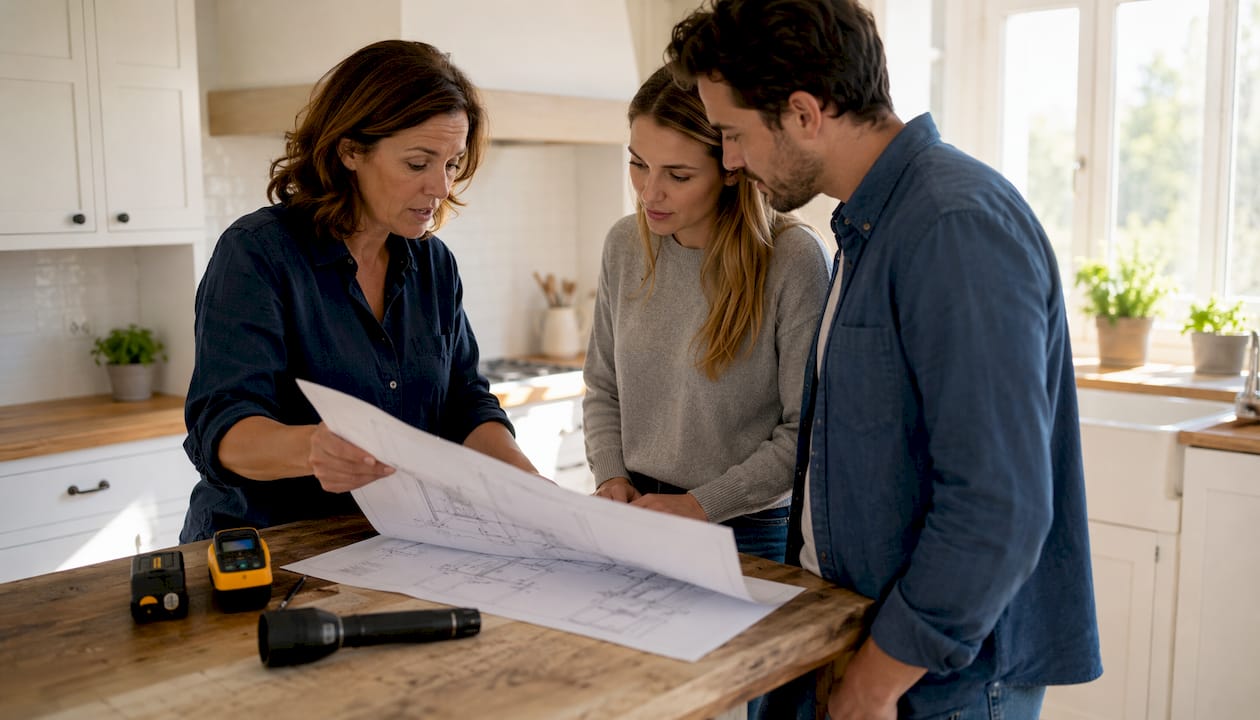
The more important distinction for buyers in Spain is between a property inspection and the Inspección Técnica de Edificios, known as the ITE. Most buyers confuse these two, and the confusion is understandable. Both involve a technical professional examining a building, but that is where the similarity ends. A property inspection covers a single unit in detail, voluntarily, before a transaction. The ITE is a mandatory municipal review of an entire building’s structural and public safety, required for buildings generally aged 30 years or older, repeated every 10 years. The ITE tells you whether the building is legally safe to occupy. A property inspection tells you whether the specific apartment or house you are about to buy has cracked tiles, outdated wiring, or a leaking roof.
Rental inspections form a third category. These are systematic condition reviews conducted at the start and end of a tenancy, focused on documenting the state of the property to prevent disputes over damage and deposit returns. They can be informal walkthroughs or full technical assessments, depending on the property’s age and complexity.
Why different stakeholders need property inspections
The motivation for commissioning an inspection shifts depending on where you sit in a transaction.
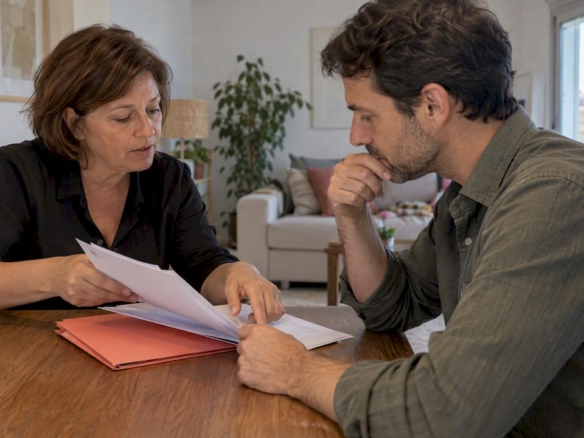
Buyers use inspections to uncover hidden defects before committing financially. The smartest move is to commission the inspection before signing a preliminary contract (the contrato de arras in Spain), so findings can influence the final price or give grounds to walk away without losing a deposit. An inspection report that identifies structural cracks or outdated electrical panels gives a buyer concrete leverage, not just a gut feeling.
Sellers benefit too, though many overlook this. A pre-listing inspection removes uncertainty from the negotiation. When a seller can hand over a clean report, buyers feel confident, deals close faster, and the risk of a last-minute price renegotiation drops considerably.
- Landlords use entry and exit inspections to document the property’s condition at both ends of a tenancy, creating a clear record that protects against unfair damage claims.
- Tenants benefit from the same documentation. A signed inspection report at move-in means no one can charge you for damage that was already there.
- Lenders increasingly request inspection reports to assess collateral condition before approving a mortgage, particularly for older properties or high-value transactions. A bank appraisal sets the number; an inspection report explains what is behind it. For more on how these two evaluations work together, see property appraisals explained.
Transparency and risk management run through every stakeholder’s motivation. Documented inspections at rental start and end help prevent disputes and secure proper deposit handling, which is why professional landlords treat them as standard practice rather than an optional extra.
What gets examined during a property inspection
A thorough inspection covers far more than a quick visual walkthrough. Qualified inspectors work through a structured checklist, and in Spain that checklist now incorporates RD 164/2025 fire safety standards, which came into force in March 2025.
Structural elements
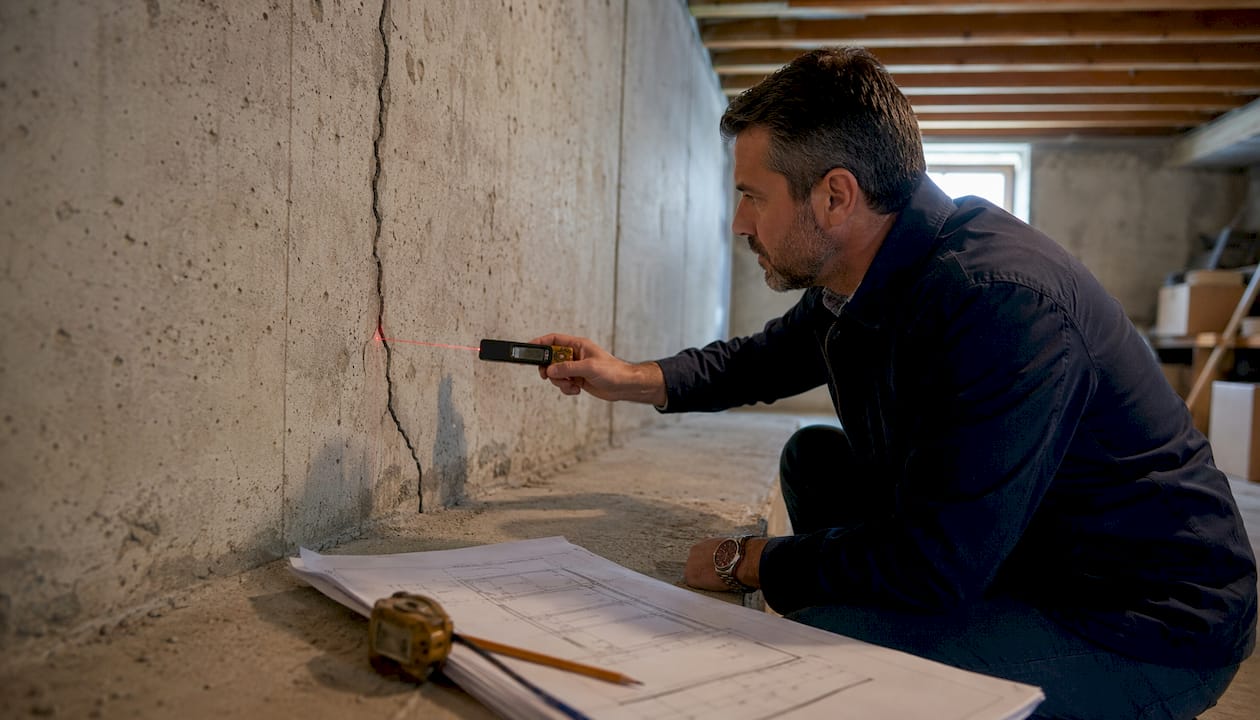
- Foundations and load-bearing walls for cracks, settlement, or movement
- Roof structure and covering for deterioration, missing tiles, or water ingress
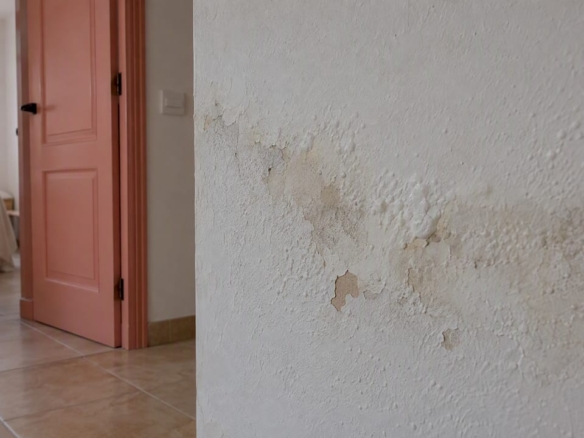
- Facades for render failure, damp patches, or structural movement
Building envelope and moisture
- Insulation continuity and thermal bridging
- Waterproofing at terraces, balconies, and wet rooms
- Signs of rising damp or condensation damage
Mechanical and electrical systems
- Electrical panel age, circuit protection, and earthing compliance
- Plumbing pipe materials, visible corrosion, water pressure, and drainage flow
- Heating and cooling equipment condition and efficiency rating
Interior finishes and functionality
- Floor, wall, and ceiling finishes for cracking, staining, or delamination
- Door and window operation, sealing, and glazing condition
- Kitchen and bathroom fixtures for leaks or wear
Safety and compliance
- Fire detection and suppression equipment
- Pest evidence (termites are a real concern in coastal Mediterranean properties)
- Compliance with the Código Técnico de la Edificación (RD 314/2006)
Qualified inspectors include architects, technical architects, and building engineers licensed to identify structural defects and safety risks, and their reports include photographic documentation alongside repair cost estimates.
The inspection process and legal context in Central Europe
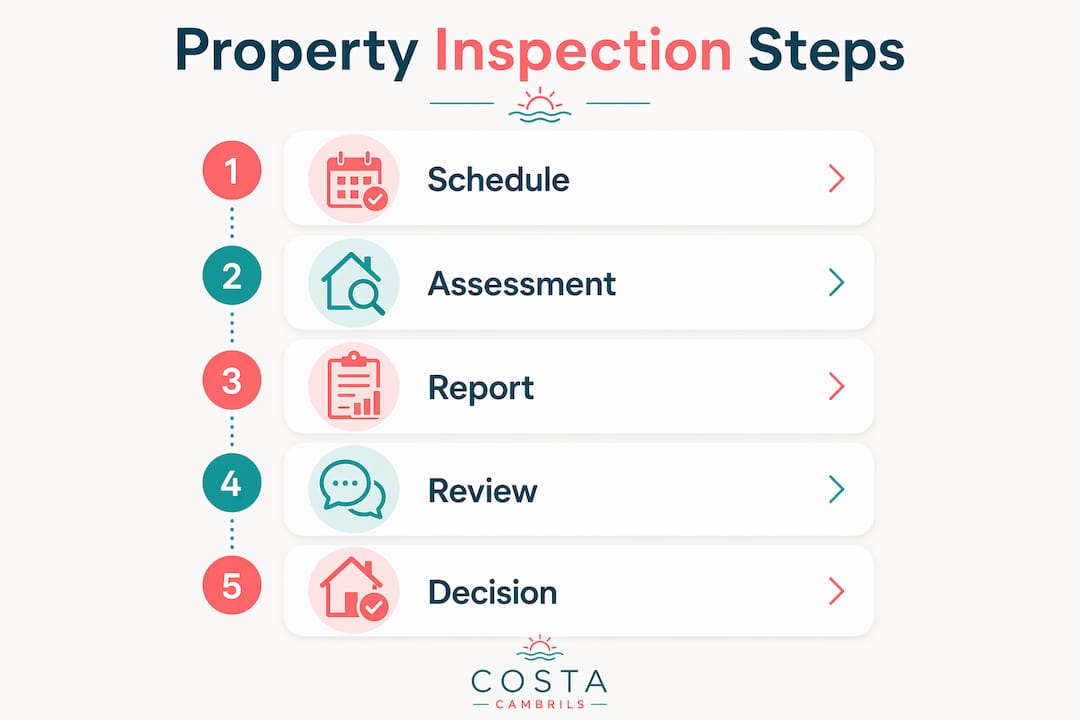
Property inspections in Spain are voluntary in private transactions, not legally required. That said, they have become standard practice among informed buyers, and refusing to allow an inspection is a recognized red flag that often signals undisclosed problems. Here is how the process typically unfolds:
- Commissioning the inspection. The buyer (or seller, for a pre-listing report) hires a licensed architect or building engineer. Fees vary by property size and scope; basic inspections covering core systems start around €249, with full assessments averaging around €350 for a standard apartment.
- Scheduling access. The inspector coordinates with the seller or landlord to access the property. In rental situations, Spanish law requires tenant consent before any entry, even for the landlord. Best practice is to include inspection rights explicitly in the lease contract.
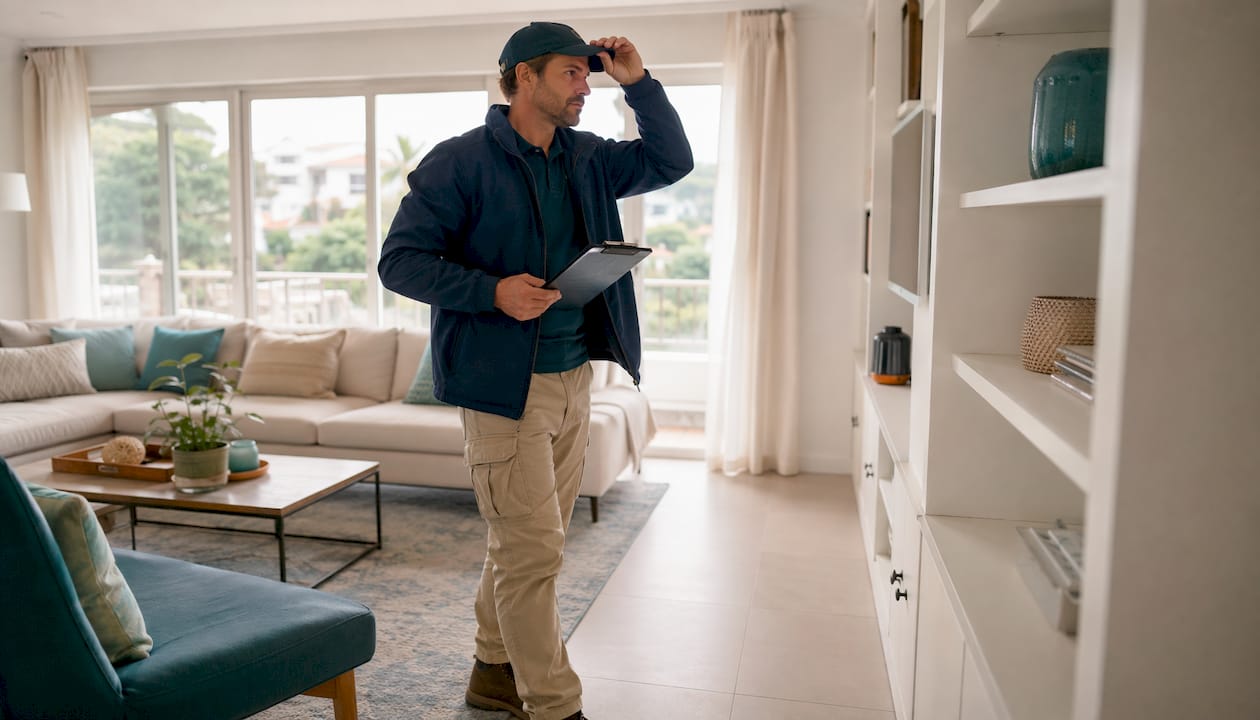
- The visual examination. The inspector conducts a non-invasive walkthrough, typically lasting two to four hours for a standard apartment. No walls are opened and no systems are dismantled. The inspector works from a structured checklist covering all elements described above.
- Report delivery. A written report with photographs, defect descriptions, severity ratings, and repair cost estimates is delivered, typically within 48 hours. The report references applicable standards including the Código Técnico de la Edificación and, where relevant, RD 164/2025 fire regulations.
- Using the findings. Buyers bring the report to the negotiating table. Identified defects justify a price reduction or a seller-funded repair commitment before closing. Sellers use a clean report to accelerate the sale. For a full picture of what documentation you need before signing, see why property documentation matters.
- Choosing a qualified inspector. Look for a licensed arquitecto colegiado or arquitecto técnico registered with their professional association. Membership in bodies aligned with RICS standards adds an additional layer of accountability. Ask for sample reports before hiring.
Pro Tip: Commission your inspection before signing the contrato de arras. Once that preliminary contract is signed and the deposit is paid, your negotiating leverage drops sharply. The inspection report is most powerful when you still have the option to walk away.
Why property inspections matter most in luxury real estate at Costa Dorada
High-value properties amplify every risk that an inspection is designed to catch. A structural defect that costs €8,000 to repair in a standard apartment can cost ten times that in a luxury villa with custom finishes, imported materials, or a complex pool and terrace system. At that price point, skipping an inspection is not a calculated risk. It is an avoidable one.
Costacambrils integrates inspection reports into its purchase and rental processes for properties along the Costa Dorada, particularly in Cambrils and the surrounding area. The reasoning is straightforward: buyers at this level expect transparency, and a well-documented inspection report is the most direct way to provide it. For luxury property investment, an inspection report also serves as a baseline condition record, useful for insurance purposes and future resale.
What makes luxury property inspections distinct:
- Specialist systems require specialist review: underfloor heating, home automation, wine cellars, and high-spec HVAC need inspectors with relevant experience
- Coastal exposure at Costa Dorada accelerates facade deterioration, salt corrosion on metalwork, and moisture ingress at terraces, making envelope inspection especially critical
- High-end finishes can mask underlying defects; an inspector who only looks at surfaces misses the structural story
- Inspection findings carry more weight in price negotiations when the transaction value is high, since even a 1% adjustment on a €1,000,000 property is €10,000
Costacambrils works with licensed technical architects who understand both the local building stock and the specific demands of Mediterranean coastal construction. The goal is simple: every buyer and investor who works with Costacambrils should close with full knowledge of what they are buying.

Whether you are buying a beachfront villa or evaluating a rental investment in Cambrils, Costacambrils provides access to qualified inspection professionals and expert real estate advisory tailored to the Costa Dorada market. Reach out to the team before you sign anything.
Key Takeaways
A property inspection is the single most effective tool buyers have to verify physical condition, negotiate price, and avoid costly surprises before closing.
| Point | Details |
|---|---|
| Inspection vs. appraisal | An inspection assesses physical condition; an appraisal sets market value for lending. |
| Negotiation impact | Nearly half of price reductions in 2024 second-hand sales were supported by inspection reports. |
| Best timing for buyers | Commission the inspection before signing the contrato de arras to preserve full negotiating leverage. |
| Rental legal requirement | In Spain, landlords must obtain tenant consent before any property entry, including inspections. |
| Luxury property priority | Coastal exposure and specialist systems make thorough inspections especially critical for high-value Costa Dorada properties. |
Recommended
- Why Property Documentation Matters for Every Buyer – Inmobiliaria Costa Cambrils
- Property Buying Checklist: Steps for Smart Buyers in 2026 – Inmobiliaria Costa Cambrils
- Legal Aspects of Property Purchase: International Buyer’s Guide – Inmobiliaria Costa Cambrils
- What Is Property Title Insurance? A Buyer’s Guide – Inmobiliaria Costa Cambrils