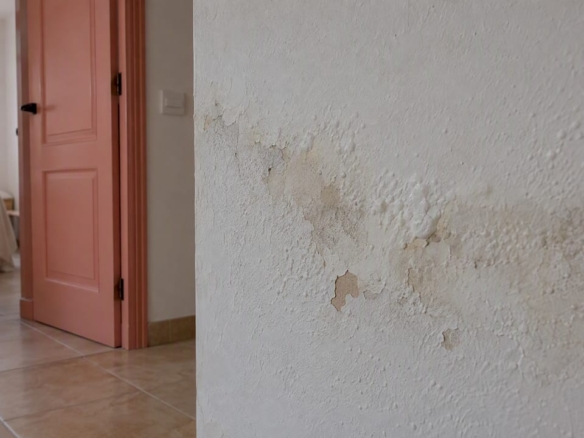
Home insurance is not generally required by Spanish law, with one major exception: if your second home has a mortgage, Real Decreto 716/2009 obligates you to carry at least fire and structural damage cover on the property. Beyond that legal floor, insuring a vacation home in Spain is strongly recommended given how often these properties sit empty for weeks at a time.
Before you compare a single quote, check three things:
- Mortgage clause: does your bank contract specify continente-only cover, or does it push for a broader multirisk policy?
- Vacancy terms: how many consecutive days can the property sit unoccupied before theft or water damage cover gets reduced or voided?
- Core coverages: does the quote clearly separate continente, contenido, and civil liability, with named sums insured for each?
If you take one preventive step this week, close the main water valve before you leave and confirm your insurer’s specific rule on absence periods. Water damage claims are among the most common losses on unoccupied properties, and most policies attach conditions to exactly this scenario.
Key Takeaways
Second-home insurance in Spain hinges on three things: the mortgage clause, the vacancy conditions, and honest declaration of how the property is actually used.
| Point | Details |
|---|---|
| Mortgage triggers obligation | Under Real Decreto 716/2009, a mortgaged property needs at least fire and damage cover by law. |
| Close the water valve | Most insurers require shutting off water during extended absences to keep burst-pipe claims valid. |
| Declare actual use | Tell your insurer if the property is a private second home, rental, or habitual residence to avoid claim denial. |
| Document everything | Keep photos, receipts, and serial numbers so a remote claim moves faster and disputes are easier to resolve. |
| Compare vacancy terms, not just price | A low monthly premium often comes with strict absence rules and tight sublimits on water and theft claims. |
Table of Contents
- Second Home Insurance Coverage in Spain: What’s Included
- Is Home Insurance Legally Required for a Second Residence in Spain?
- How Vacancy Rules Affect Your Coverage
- Choosing a Policy: Questions to Ask Before You Sign
- What Drives the Price of Second Home Insurance
- Managing a Claim When You’re Not There
- How Costa Cambrils Helps Owners Meet Insurer Requirements
- Take the First Step Toward Protecting Your Costa Dorada Property
- What Actually Matters When You’re Insuring a Home You Don’t Live In
- Sources
Second Home Insurance Coverage in Spain: What’s Included
A policy for a Spanish second home splits into two physical categories and one liability category, and confusing them is the single most common mistake owners make.
Continente covers the building itself: walls, roof, fitted kitchen, built-in wardrobes, plumbing and electrical installations. If a storm rips off roof tiles or a pipe bursts inside a wall, continente pays for the repair. Contenido covers what’s inside and movable: furniture, appliances, electronics, clothing, and personal belongings. A burglary that clears out your television and laptop is a contenido claim, not a continente one. Civil liability (responsabilidad civil) protects you if someone gets hurt on your property, or if a leak from your apartment floods the unit below. For a second home with occasional visitors and sometimes a cleaning service or gardener, this cover matters more than most owners assume.
On top of these three pillars, second-home policies typically offer:
- Theft and vandalism cover, often with reduced limits if the home has no alarm and sits empty for extended periods
- Extended water damage cover, since burst pipes are the top claim category for unoccupied properties, according to Mutua Madrileña’s guidance on second-residence insurance
- Atmospheric and meteorological damage, relevant for coastal Costa Dorada properties exposed to wind and heavy rain
- Glass breakage, legal defense, and anti-occupancy options, the last of which has become a real selling point for owners worried about squatters
- Emergency locksmith and 24-hour assistance, useful when you’re hours away and can’t get there yourself
If your second home holds jewelry, art, or high-value items, check the sublimits inside your contenido cover. Most standard policies cap payouts for these categories well below the total contents sum insured, so a €15,000 general contents limit might only cover €1,500 in jewelry unless you declare it separately.
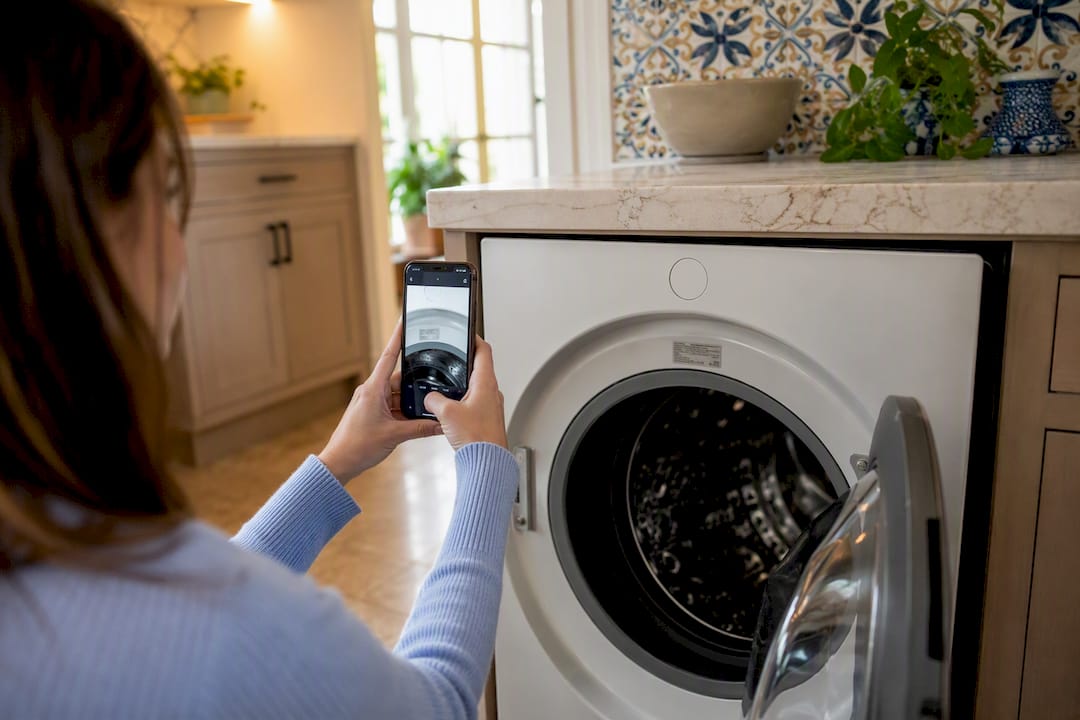
Pro Tip: Photograph every room and serial number on major appliances before you leave the property for the season. If you ever need to prove what was inside for a contenido claim, this record settles disputes in minutes instead of weeks.
Is Home Insurance Legally Required for a Second Residence in Spain?
The short answer is no, with one exception that catches many owners off guard. Real Decreto 716/2009, Article 10 requires that any property financed with a mortgage carry insurance covering at least fire and structural damage risk. The law gives you the right to choose your own insurer, but in practice banks frequently push for something wider than the bare legal minimum, often insisting on a full multirisk policy before releasing funds or renewing terms.
Outside the mortgage scenario, obligation shifts to contract terms rather than statute. Rental agreements sometimes require the landlord to hold liability cover protecting tenants, and community rules can require individual owners to carry cover for anything not shared with the building. Repsol’s consumer guidance confirms this pattern: insurance obligations in Spain are almost always contractual, not automatic.
Comunidad (building) insurance covers shared elements like the roof, facade, elevators, and common pipes, but it stops at your front door. Your interior contents, your fittings, and your personal liability inside the flat remain entirely your responsibility.
If a mortgage or lease does require a policy, you’ll typically need to:
- Provide the lender or landlord with a copy of the policy’s particular conditions
- Request an insurer certificate confirming the sums insured meet the required minimum
- Notify the bank in writing if you switch insurers, since most mortgage contracts require this
If you’re still financing the purchase, our guide on financing a second home in Spain walks through how mortgage terms and insurance requirements typically interact.
How Vacancy Rules Affect Your Coverage
Insurers treat an empty second home differently from an occupied primary residence, and the gap catches a lot of first-time buyers off guard. A standard home policy is priced and written assuming someone is present most days, checking pipes, noticing leaks, and deterring intruders simply by being there. A second home in Cambrils that sits empty from October to May doesn’t get that benefit, so insurers build in specific conditions to manage the added risk.
Here’s what typically applies during extended absences:
- Close the main water valve. Tuio’s second-home checklist specifies shutting off water after a few days of absence as a standard policy condition, and failing to do so can void a burst-pipe claim entirely.
- Cut gas and non-essential electricity. Many insurers require this as a fire-prevention step for unoccupied properties.
- Arrange periodic checks. A neighbor, property manager, or local contact visiting every few weeks satisfies most insurer requirements and gives you documented proof of due diligence.
- Install and use an alarm. Theft cover is frequently reduced or excluded outright if the property has no certified alarm system and sits empty for long stretches.
- Keep a local contact on file with your insurer. This speeds up access for repairs or inspections if something does go wrong.
Pro Tip: Set a recurring calendar reminder before every departure: valve, gas, alarm, contact. Missing one step is the most common reason second-home claims get partially denied.
Choosing a Policy: Questions to Ask Before You Sign
Comparing second-home quotes on price alone is how owners end up underinsured. Look instead at how each policy handles these criteria: sums insured for continente and contenido, vacancy terms, sublimits for water and theft claims, liability limits, the scope of emergency assistance, your deductible, and how flexible cancellation and payment terms are.
Ask your broker or insurer these six questions before committing:
- What is the maximum period the property can sit empty before cover is reduced or limited?
- Are theft claims restricted or excluded if no alarm is installed?
- What’s the sublimit for water damage from hidden pipes or plumbing behind walls?
- Does civil liability extend to guests, tenants, or short-term renters if I let the property occasionally?
- Can I adjust or suspend cover seasonally, and does that affect the annual premium?
- What documentation do you need from me after a claim if I’m not in Spain when it happens?
Watch for these red flags in the Condicionado General and Particular:
- Vague definitions of “occupied” versus “unoccupied” that leave room for the insurer to dispute a claim after the fact
- Broad negligence exclusions that could apply to almost any incident, effectively gutting the policy
- No clearly stated sum insured for contents, just a generic reference to “contents” with no number attached
Legalitas advises keeping full copies of both the general and particular conditions on file, not just the summary sheet the insurer emails you. That document is what a peritaje will reference if a dispute arises.
Pro Tip: Ask for the Condicionado General in writing before you pay, not after. A legitimate insurer will send it without hesitation; reluctance is itself a warning sign.
What Drives the Price of Second Home Insurance
Premiums for a second residence swing on a handful of factors, and understanding them helps you spot a quote that’s cheap for the wrong reasons. The sums insured for continente and contenido matter most, followed by location (coastal Tarragona properties carry different storm and flood exposure than inland towns), the security measures installed, whether the home is purely private use or occasionally rented, the age and construction materials of the building, and the excess you choose.
Tuio’s second-home products start from around €5 per month, which sounds appealing until you read the fine print: those entry-level policies come with strict vacancy rules and tight sublimits on hidden-pipe damage. A low headline price is not a red flag by itself, but it’s a signal to check exactly what’s excluded before assuming you’re covered.
To bring a premium down without gutting your protection:
- Raise your voluntary excess on lower-risk items
- Set a realistic contenido sum instead of over-insuring belongings you don’t actually keep at the property
- Install a certified alarm, which often unlocks a meaningful discount on theft cover
Managing a Claim When You’re Not There
A pipe bursts in your Cambrils apartment while you’re back in Madrid or another country entirely. What happens next determines whether your claim gets paid quickly or gets stuck in dispute.
- Secure the property as best you can, ideally through a local contact, and stop further damage if it’s safe to do so.
- Photograph everything before touching or moving anything.
- Call your insurer immediately with your policy number and a clear description of what happened.
- Notify your local contact, property manager, or tenant if one is present.
- Grant access for the perito (insurance assessor) through your local representative, since most Spanish insurers now handle second-home claims remotely via app or WhatsApp photo submission.
Preparation before a loss matters as much as the response after one. Keep a running household inventory with photos, receipts, and serial numbers for major items, along with a log of your periodic property checks and valve shutoffs. That log becomes your evidence that you followed the vacancy conditions your policy requires.
Pro Tip: Store your inventory and receipts in cloud storage, not just on a home computer. If the claim involves fire or flood damage to the property itself, a local-only backup does you no good.
How Costa Cambrils Helps Owners Meet Insurer Requirements
Insurers reward documented diligence, and that’s exactly what property management delivers. Costacambrils supports second-home owners with periodic property checks, legal advisory on mortgage and rental clauses, and photographic inventories that satisfy insurer documentation requests after a claim.
- Property management services that reduce vacancy risk through scheduled visits
- Legal guidance on rental process obligations when your second home doubles as a rental
- Support for owners navigating second-home financing and the insurance clauses tied to it
Take the First Step Toward Protecting Your Costa Dorada Property
Owning a second home on the Costa Dorada means enjoying Mediterranean living without a full-time presence to manage the risks that come with it. Whether you’re weighing a villa purchase, comparing high-end amenities, or need property management that keeps your home insurer-compliant while you’re away, Costacambrils works with owners across Cambrils and the surrounding coast on exactly this. Explore our guide to luxury amenities in Spain to see how full-service support and periodic property oversight fit into owning a second residence here.
What Actually Matters When You’re Insuring a Home You Don’t Live In
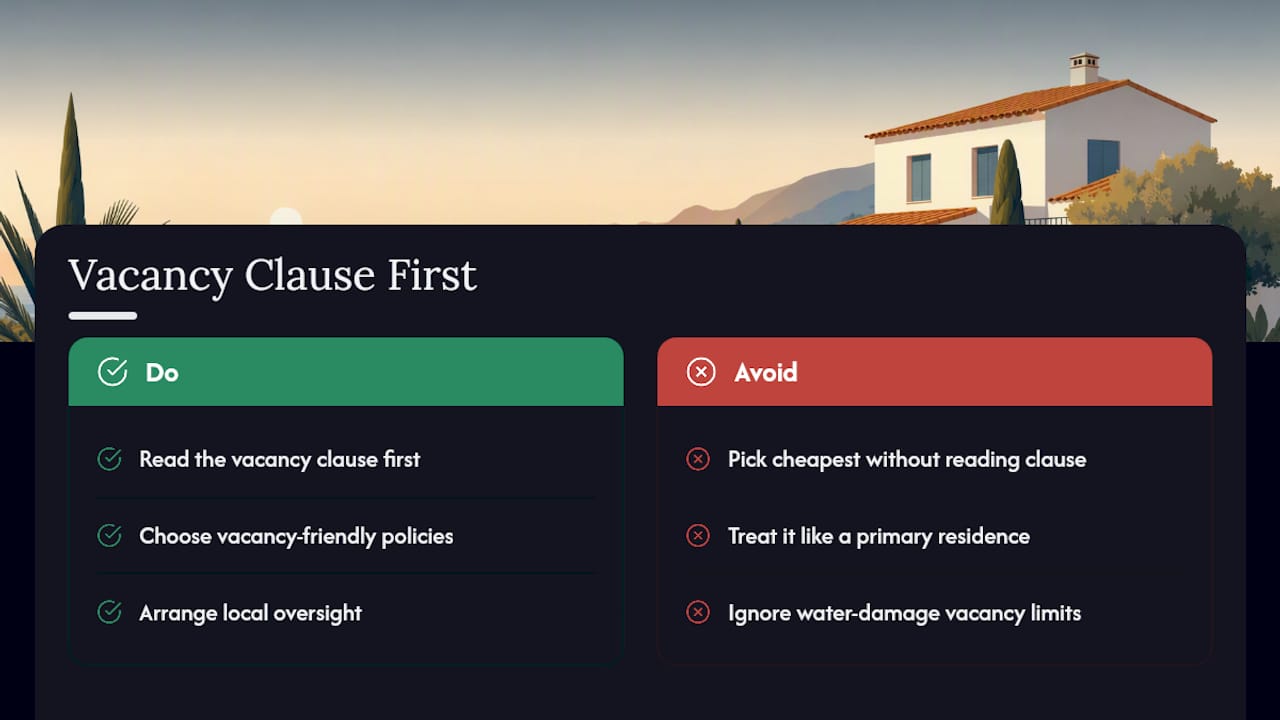
The conventional advice on this topic spends too much time on premium comparison and not nearly enough on vacancy conditions, and that’s backward. A €300 annual difference between two quotes matters far less than a clause that voids your water damage claim because you didn’t close a valve within 72 hours. Owners fixate on price because it’s the easiest number to compare, while the language buried in the Condicionado General is what actually determines whether a claim gets paid.
The other blind spot is treating a second home like a smaller version of a primary residence. It isn’t. The risk profile changes entirely once nobody’s there most of the year, and insurers price and write policies around that absence, not around your presence. If you take one thing from this guide, make it this: read the vacancy clause before you read the premium. A cheap policy with a strict 30-day empty limit protects you less than a slightly pricier one built for owners who are genuinely absent most of the season. For owners managing a property from another city or country, pairing the right policy with consistent local oversight, whether that’s a neighbor, a caretaker, or a property manager, does more for your risk profile than any single feature on the coverage schedule.
— Oscar
This article is general information, not a substitute for advice from a qualified financial advisor. Consult a qualified financial professional about your own circumstances before acting on anything here.
Sources
- Cuestiones sobre la imposición por la entidad acreedora de un seguro de daños sobre la vivienda adquirida mediante préstamo hipotecario — UPF
- El seguro de hogar en una segunda residencia: aspectos más importantes — Legalitas
- Seguro de segunda vivienda: checklist y precio desde 5 €/mes — Tuio blog
- ¿Qué pasa si no tengo seguro hogar? — Repsol
Recommended
- How to Finance Holiday Homes in Spain: 2026 Guide – Inmobiliaria Costa Cambrils
- Understanding villas in Spain: a guide for luxury home buyers – Inmobiliaria Costa Cambrils
- Benefits of Buying a Second Home: 2026 Guide – Inmobiliaria Costa Cambrils
- Spain mortgage guide for international luxury buyers – Inmobiliaria Costa Cambrils