For any luxury purchase, plan a multi-specialist inspection protocol, not a single walkthrough. A guide to luxury property inspections starts with one hard truth: the general home inspector who works fine for a $600,000 colonial cannot single-handedly evaluate a $6 million estate with a private well, three HVAC zones, and a home automation system running the pool.
Here’s what to do the moment you’re under contract:
- Book a general inspector with documented luxury-property experience, ideally InterNACHI-affiliated, on day one of your contingency period.
- Ask that inspector which specialists your specific property needs (structural, electrical, geotechnical, pool, AV).
- Order sewer scope, pool, and well/septic evaluations the same day if the property has them.
- Confirm every specialist’s report delivery date in writing before you sign anything.
Pro Tip: Call the highest-demand specialists, geotechnical and cybersecurity engineers and auditors, first. They routinely book out one to two weeks, and a late report can blow past your contingency deadline.
Key Takeaways
Luxury property inspections succeed when buyers treat them as a coordinated, multi-specialist protocol scheduled from day one of the contingency period, not a single walkthrough.
| Point | Details |
|---|---|
| Start with a luxury-experienced general inspector | They triage the property and recommend which specialists you actually need. |
| Schedule specialists on acceptance day | High-demand disciplines like geotechnical and cybersecurity often have 7–14 day backlogs. |
| Order sewer and pool scopes same-day | These common high-cost failure points pair efficiently with the general inspection. |
| Require PE-sealed reports for structural concerns | Engineering opinions carry more negotiating weight than informal inspection notes. |
| Get scope and deadlines in writing | A written agreement with named specialists protects your contingency timeline. |
| Coordinate through Costacambrils | Its property evaluation service helps schedule specialists and vendors alongside your independent inspection. |
Table of Contents
- Why Do Luxury Homes Need a Different Inspection?
- What Should You Inspect on a Luxury Property?
- What Red Flags Should Worry a Luxury Buyer?
- How Do You Choose the Right Luxury Home Inspector?
- Which Specialists Do You Actually Need?
- How Long Does a Luxury Inspection Take, and What Does It Cost?
- What Belongs in a Quality Luxury Inspection Report?
- How Costacambrils Supports Your Inspection Process
- Sources
Why Do Luxury Homes Need a Different Inspection?
Square footage alone changes the math. A 12,000 square foot estate typically carries multiple HVAC zones, several electrical subpanels, a pool or spa, and grounds work that a standard single-family home never touches. Each of those systems hides its own failure points, and a generalist walking the property in three hours simply cannot test all of them with any rigor.
That’s why the standard model shifts for high-value properties: the general inspector’s job becomes triage, not diagnosis. Ultra-luxury properties especially benefit from treating the inspection as a coordinated project spanning several days rather than a single appointment, with a team of specialists brought in based on what the generalist flags.
The math on cost still favors thorough inspection. A full multi-specialist protocol on a high-value property can cost several thousand dollars for a full inspection protocol. An undetected major structural or septic system failure can be extremely costly to remediate, and it gives you real leverage at the negotiating table before you’ve spent a dollar on repairs.
What Should You Inspect on a Luxury Property?
Structural integrity and foundation. Look for signs of settlement, cracked slabs, or retaining walls under stress. Ask directly: were any additions permitted, and does the seller have the paperwork?
Electrical and power systems. Estates often run multiple panels, subpanels for guesthouses, EV charging circuits, and a generator with an automatic transfer switch. Ask whether the generator has been load-tested in the past year.
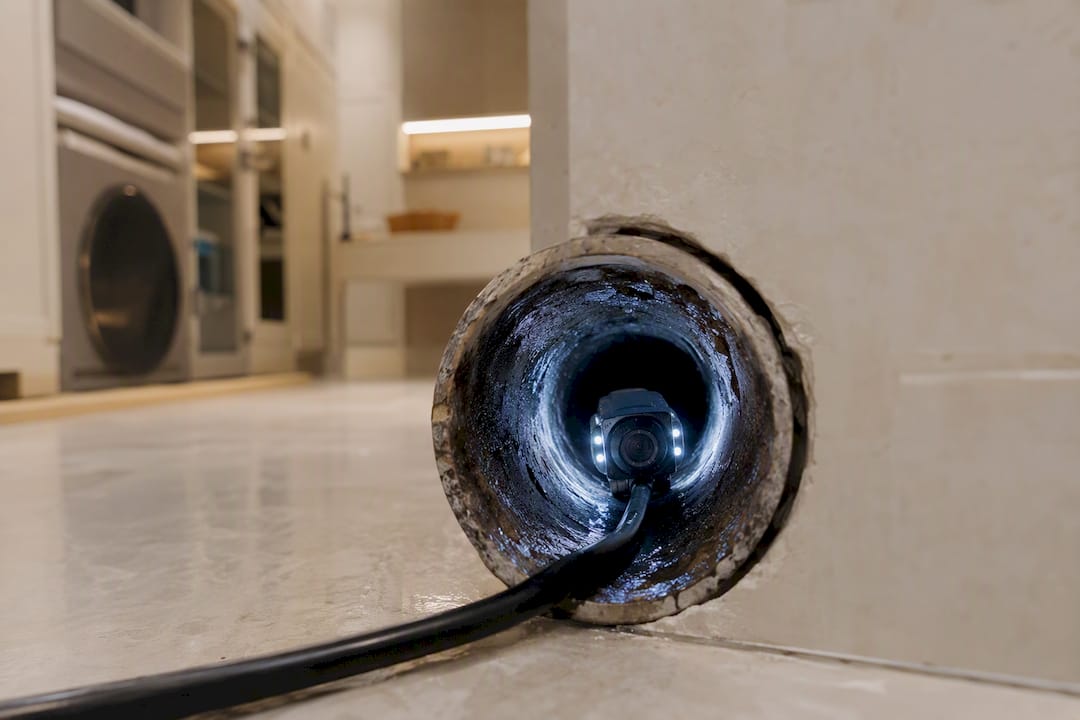
Plumbing and water. Private wells, long sewer laterals, water treatment systems, and multiple pressure zones are common at this tier. A sewer camera scope is non-negotiable if the property isn’t on a short municipal connection.
HVAC and air quality. Multi-zone systems, radiant heat, and mechanical rooms with backup equipment need a maintenance history, not just a functional test. Ask for service records going back at least two years.
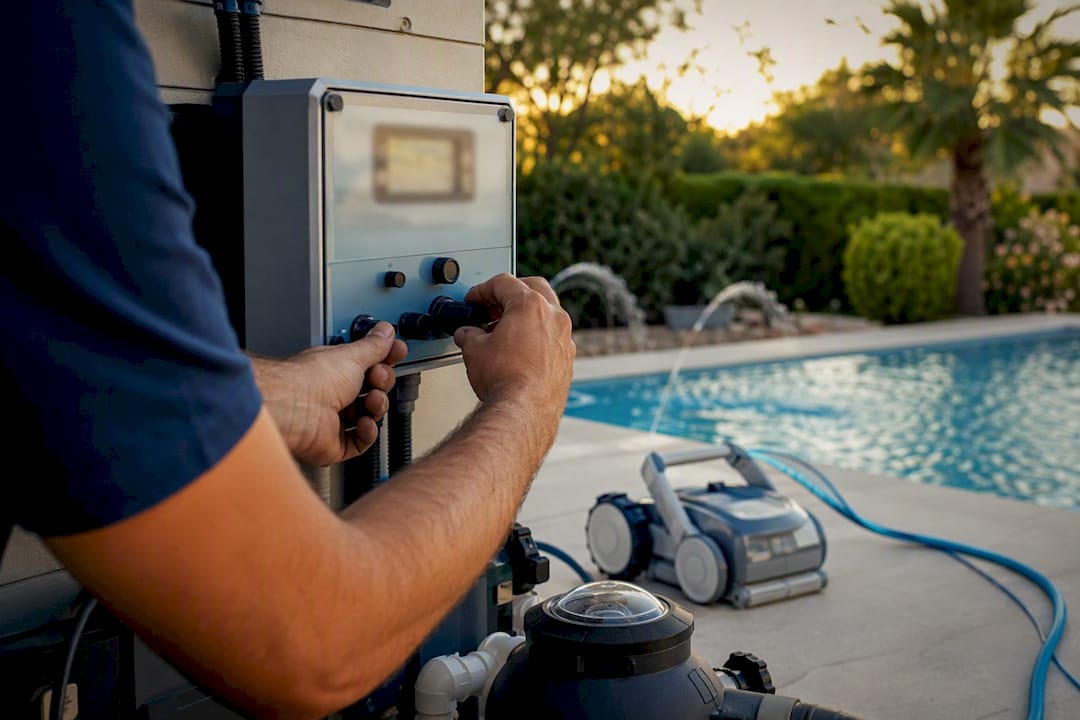
Pools, spas, and water features. Structural cracks in the shell, automation glitches, and chemical control failures are the most common repeat-repair items. Ask how old the equipment is and whether it’s under warranty.
Smart-home and cybersecurity. Automation platforms embed real value and real risk; an unsupported vendor platform can mean a costly rip-and-replace. Ask who installed the system and whether it’s still supported.
Roofs, façades, and building envelope. Complex rooflines and imported cladding materials need flashing inspected at every transition point.
Grounds and outbuildings. Drainage, slope stability, and guesthouse systems deserve the same scrutiny as the main house.
Finishes and specialty systems. Custom millwork, wine cellar humidity controls, and elevator gearboxes all have their own failure modes. Ask for the elevator’s last certified inspection date.
Pro Tip: Photograph every access point (crawl spaces, mechanical rooms, roof hatches) before your inspector arrives. Locked or blocked access is the single most common reason luxury inspections run over schedule.
What Red Flags Should Worry a Luxury Buyer?
Some findings matter more than others, and knowing which ones to escalate saves you money and stress.
- Inconsistent drainage patterns on sloped lots, often a precursor to foundation or retaining-wall failure.
- Structural repairs with no permit history or engineering sign-off.
- Legacy smart-home systems with no documentation or a defunct vendor.
- A pool or spa with a repeated repair history in seller disclosures.
A single failing retaining wall on a hillside lot can cost more to fix than a full kitchen renovation. A nonfunctional whole-house generator on a property prone to outages changes the home’s actual livability, not just its resale math. Triage every finding by severity, estimated repair cost, and how much time it adds to your schedule, then decide what’s a negotiating chip versus a walk-away issue.
How Do You Choose the Right Luxury Home Inspector?
Credentials matter more here than almost anywhere else in real estate. Look for membership in ASHI, InterNACHI, or CREIA, plus documented experience on properties in your price range. If the home has enterprise-grade automation, ask whether the inspector works with vendor-certified AV technicians.
Confirm professional liability insurance before you hire anyone, and ask for a sample report. A luxury-experienced general inspector should function as the coordinator of your inspection team, not the sole authority on every system in the house.
Ask these questions before signing anything:
- What’s explicitly included and excluded from your scope?
- Which specialists do you recommend for this specific property, and can you help coordinate them?
- What’s your firm delivery date, and does it fit inside my contingency window?
- What format will the final report take, and does it include annotated photos?
Get the scope, named specialists, and delivery timeline in a written agreement. Pro Tip: A verbal promise of “a few days” is not a deadline. Get the delivery date in writing, tied to a specific calendar date, not a vague turnaround estimate.
Which Specialists Do You Actually Need?
Beyond the general inspector, a typical luxury protocol draws on a rotating bench of specialists depending on the property’s features. Structural or forensic engineers handle foundation and drainage concerns. Geotechnical experts step in for hillside or coastal lots. Licensed electricians and MEP specialists cover complex power and mechanical systems. Pool technicians, elevator inspectors, cybersecurity auditors for enterprise smart-home setups, and septic or well specialists round out the list.
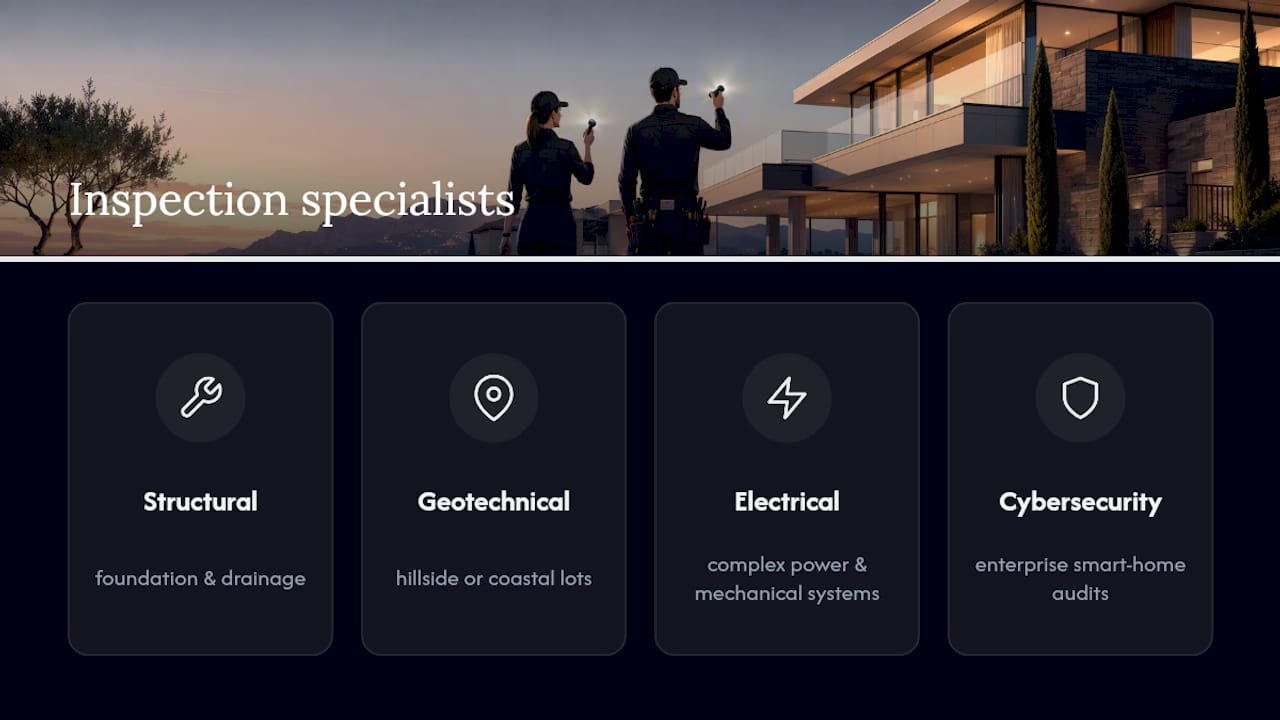
Estate-tier protocols commonly coordinate five to eight specialists working alongside the general inspector. Call the highest-demand specialists, geotechnical and cybersecurity, on the day you go under contract. Order sewer and pool scopes the same day as your general inspection whenever the property has those features.
How Long Does a Luxury Inspection Take, and What Does It Cost?
Expect several days of site work spread over a five to ten business day window for larger estates, longer if specialists are backlogged. Some specialist disciplines carry seven to fourteen day waitlists in busy markets, which is exactly why day-one scheduling matters more than anything else in this process.
Costs vary widely by scale and system count, from a modest general inspection fee up to tens of thousands of dollars for a full multi-specialist protocol on a large estate. Get written quotes before committing, and never let a specialist’s schedule slip past your contingency deadline. A late report is often a useless report if your window has already closed.
What Belongs in a Quality Luxury Inspection Report?
A useful report does more than list problems. It should name every specialist involved and their credentials, include high-resolution annotated photos, and classify each finding by severity so you can prioritize.
| Report Element | What It Should Include |
|---|---|
| Executive summary | Material issues ranked by urgency and estimated cost |
| System-by-system findings | Structural, electrical, plumbing, HVAC, and specialty systems each documented separately |
| Specialist credentials | Named engineers or technicians with license or certification details |
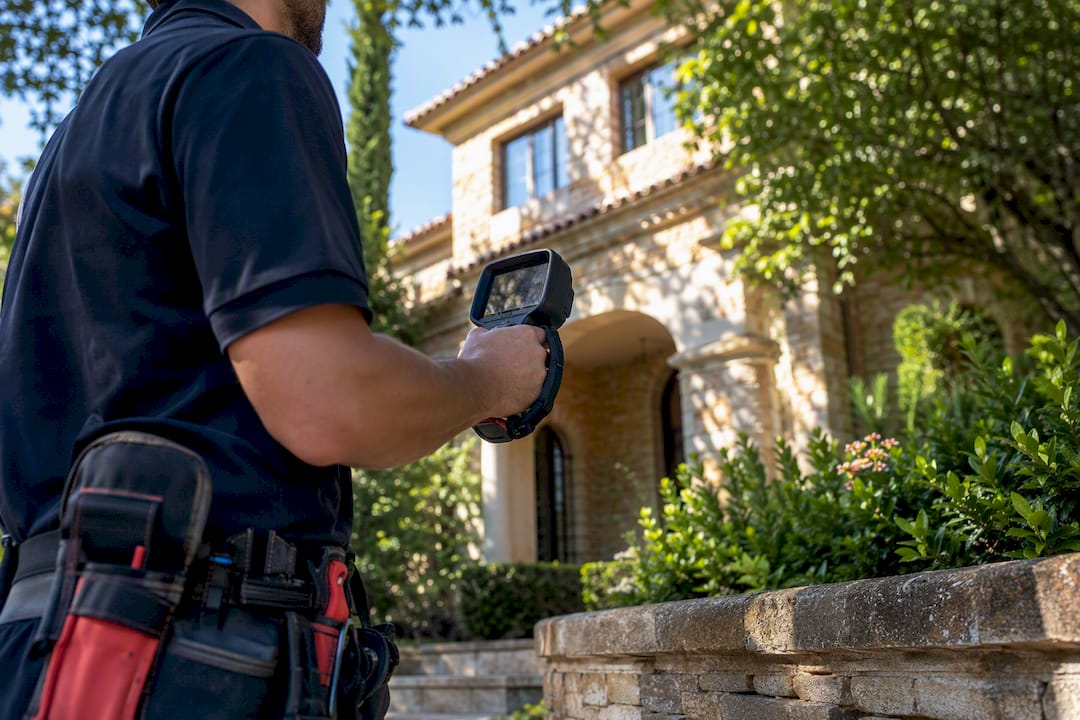
| Supporting data | Thermal images, sewer video timestamps, and raw test files |
| Engineering opinions | PE-sealed reports for structural or drainage concerns where applicable |
Ask for both a PDF and an editable version with a firm delivery date. A PE-sealed engineering report carries far more weight in a negotiation than an inspector’s informal notes, since it comes with a licensed professional’s name and legal accountability attached.
A Coordinator’s View on Getting This Right
I recommend the coordinated protocol because it’s the only approach that matches the complexity of these properties. Contact a trusted local coordinator early, before you lose leverage to a missed deadline.
How Costacambrils Supports Your Inspection Process
An independent inspection stays essential, but coordinating five or more specialists inside a tight contingency window is its own job. Costacambrils’ property evaluation service exists to sit alongside that independent inspection, not replace it, by helping you line up local vendor recommendations and schedule specialist visits before your deadline clock runs out.

If you’re actively evaluating a villa or estate in the Costa Dorada region, our team can connect you with vetted local specialists and help you sequence sewer scopes, structural reviews, and pool inspections so nothing falls outside your contingency window. Browse luxury property types worth understanding before you inspect so you know what systems to expect, then reach out to request coordination support on your specific purchase.
Sources
- What Ultra-Luxury Home Inspections Look Like: Beyond the Basics | Blog | Aaron Kirman
- Luxury Home Inspection Guide San Diego | LUXURYSOCALREALTY
- Marnafriedman
- InterNACHI (International Association of Certified Home Inspectors)