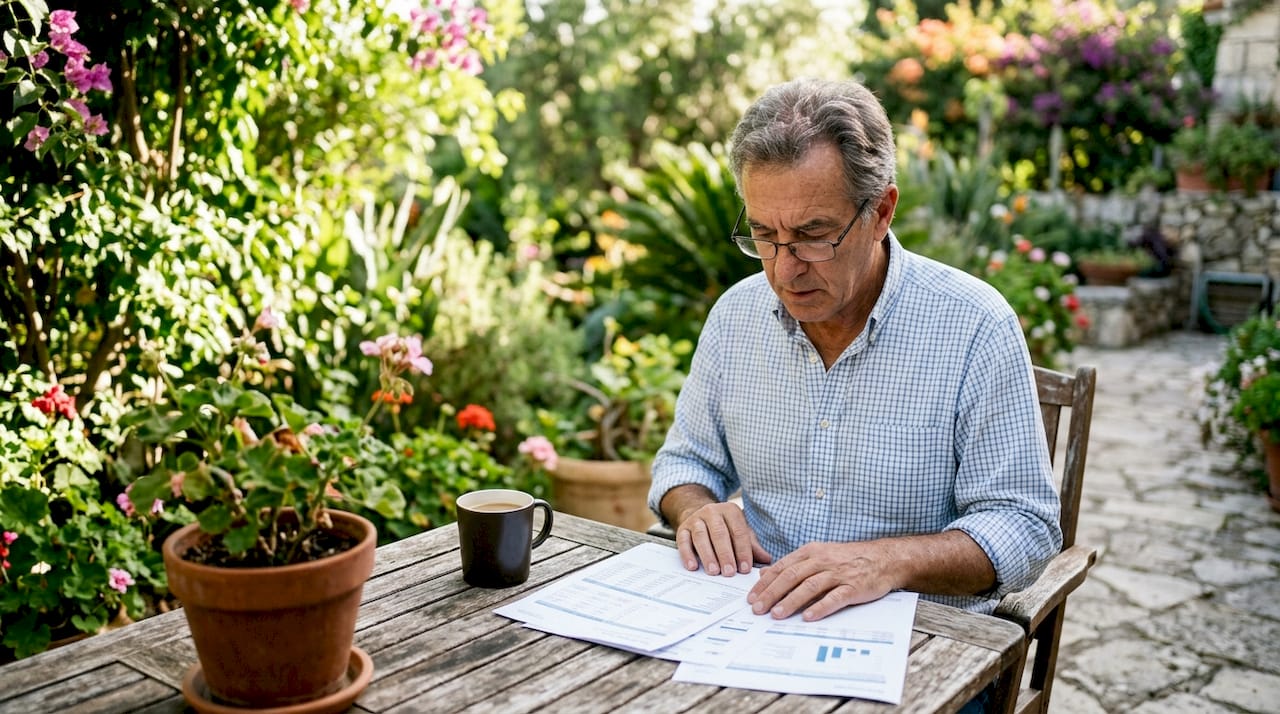
TL;DR:
- Property taxes in Spain include acquisition taxes, annual IBI, and sale-related taxes. Regional rates vary significantly, affecting the total ownership cost and long-term return. Buyers must consider all taxes, including cadastral values and local rates, before investing.
Property taxes are legally mandated levies on the ownership, acquisition, or transfer of real estate, and they fall into three main categories: acquisition taxes, annual ownership taxes, and transfer taxes. For homebuyers and investors purchasing property in Spain, particularly along the Costa Dorada, understanding the different types of property taxes is not optional. Miss one, and you can face unexpected costs that reshape your entire investment calculation. The Spanish tax system layers national rules with regional autonomy, meaning the same property can carry a very different tax bill depending on where it sits.
1. What are the main types of property taxes?
The types of property taxes break down into three core categories. Acquisition taxes apply at the moment of purchase. Annual taxes recur every year you hold the property. Transfer taxes and capital gains taxes apply when you sell. Each category operates under different rules, different rates, and different authorities. Knowing which applies to your transaction is the first step to accurate budgeting.

Regional governments in Spain control several of these rates independently. That means a buyer in Catalonia pays different rates than a buyer in Madrid, even for an identical property. The legal requirements for buying in Spain reflect this complexity and make professional guidance worth every euro.
2. Acquisition taxes: IVA, ITP, and AJD explained
Acquisition taxes are the taxes you pay at the time of purchase, and they represent the largest single tax event in any real estate transaction.
IVA (Value Added Tax) applies to new residential properties at a standard rate of 10%. This is the tax you pay when buying directly from a developer. ITP (Impuesto sobre Transmisiones Patrimoniales, or Transfer Tax) applies to second-hand properties. A critical point that many buyers get wrong: IVA and ITP are mutually exclusive. If IVA applies to your transaction, ITP does not, and vice versa.
AJD (Actos Jurídicos Documentados, or Stamp Duty) applies on top of IVA for new properties. It covers the notarized documents required to complete the transaction. AJD rates range from 0.5% to 1.5% depending on the autonomous community.
Here is a quick breakdown of the three acquisition taxes:
| Tax | Applies to | Typical rate |
|---|---|---|
| IVA | New properties | 10% |
| ITP | Second-hand properties | 4%–13% (varies by region) |
| AJD | New properties (notarial documents) | 0.5%–1.5% |
One detail that catches buyers off guard: the ITP taxable base is calculated on the higher of the recorded purchase price or the cadastral reference value. If the reference value exceeds what you paid, you owe tax on the higher figure. Check the cadastral reference value before you sign anything.
Regional reductions exist for specific buyer groups. Young buyers, large families, and buyers of officially protected housing often qualify for reduced ITP rates. These reductions vary by autonomous community and change regularly.
Pro Tip: Request the cadastral reference value from the Spanish Tax Agency’s online portal before making an offer. If it exceeds the asking price, factor that gap into your acquisition tax estimate.
3. How the annual IBI tax affects property ownership
IBI (Impuesto sobre Bienes Inmuebles) is the annual local property tax every owner pays, regardless of whether the property is rented, occupied, or vacant. It is the Spanish equivalent of what many countries call a property or council tax.
The IBI calculation is straightforward: cadastral value multiplied by the municipal tax rate. For urban properties, the legal rate range is 0.4% to 1.10%, with rates up to 1.30% permitted in municipalities that provide exceptional services. Each municipality sets its own rate within those legal limits.
The key distinction is that IBI is based on cadastral value, not market value. Cadastral values are typically lower than market prices, which keeps annual bills manageable. However, municipal revaluations of cadastral values can spike your IBI bill overnight without any change in what your property is actually worth on the open market. This is one of the most common surprises for new property owners.
Key facts about IBI:
- The legal owner on January 1 of each year is fully liable for the full annual bill.
- Buyers and sellers often negotiate a pro-rata split of the IBI in the purchase contract, even though the law places full liability on the January 1 owner.
- Late payment triggers surcharges and interest.
- Exemptions exist for certain public entities, religious institutions, and properties with renewable energy installations.
- Large families may qualify for municipal reductions in some areas.
For a detailed breakdown of how IBI works in Cambrils specifically, the IBI guide for Cambrils covers local rates and payment schedules in full.
Pro Tip: Always include a specific IBI clause in your purchase contract. Specify exactly how the annual bill will be split between buyer and seller for the year of purchase. A vague contract creates disputes.
4. What other property-related taxes should buyers know?
Beyond acquisition and annual taxes, two additional real estate tax types affect your total cost of ownership: Plusvalía Municipal and capital gains tax.
Plusvalía Municipal is a local tax on the increase in land value from the date of purchase to the date of sale. It is calculated on the land component of the cadastral value, not the total property value. This tax is generally the seller’s responsibility, but purchase contracts can shift that obligation to the buyer. Read every clause carefully.
Capital gains tax applies to the profit you make when you sell. For residents, gains are taxed as savings income under Spanish personal income tax rules. For non-residents, a withholding tax applies at the point of sale. This tax directly affects investment planning because a property that looks profitable on paper may deliver a smaller net return after tax.
Other taxes worth knowing:
- Wealth tax (Impuesto sobre el Patrimonio): Applies to high-net-worth individuals holding significant assets in Spain, including real estate.
- Non-resident income tax (IRNR): Applies to non-residents who own property in Spain, even if the property is not rented out. A deemed income is calculated and taxed annually.
- Rental income tax: If you rent the property, rental income is taxable. Non-residents pay a flat rate; residents declare it as personal income.
These taxes interact. A non-resident investor may owe IBI annually, IRNR on deemed income, and capital gains tax on eventual sale, all on top of the acquisition taxes paid at purchase. Mapping all of these before you buy is not optional for serious investors.
5. How regional variations change your tax bill
Spain’s autonomous communities control several property tax rates independently, and the differences are significant. ITP rates range from 4% to 13% across regions. That spread can represent tens of thousands of euros on a high-value property.
To make this concrete: a buyer purchasing a €500,000 second-hand property in a region with a 4% ITP rate pays €20,000 in transfer tax. The same buyer in a region with a 10% rate pays €50,000. The property is identical. The location determines the tax.
Regional variations also cover:
- AJD rates on new property purchases
- IBI rates set by individual municipalities within legal limits
- Reductions for young buyers (typically under 35), large families, and buyers of officially protected housing
- Special rates for rural properties or agricultural land
Catalonia, where the Costa Dorada is located, applies its own ITP and AJD rates. Buyers in Cambrils and the surrounding area should verify current Catalan rates before finalizing any budget. Rates change, and a figure from two years ago may no longer apply.
Pro Tip: Use the Spanish Tax Agency’s online reference value tool (Sede Electrónica del Catastro) to check the cadastral reference value of any property before making an offer. This single step can prevent a significant ITP underpayment.
The advantages of Spanish real estate investing are real, but they depend on accurate tax planning from the start. Regional differences are not a footnote. They are a core variable in your return calculation.
Key takeaways
The total tax burden on buying, holding, and selling a property in Spain can reach up to 62% of the property price when all acquisition, annual, and sale taxes are combined, making full cost mapping a non-negotiable step before any purchase.
| Point | Details |
|---|---|
| IVA vs. ITP are mutually exclusive | New properties pay IVA at 10%; second-hand properties pay ITP at 4%–13%. Never both. |
| ITP taxable base can exceed purchase price | Always check the cadastral reference value before signing; it may be higher than what you paid. |
| IBI is based on cadastral value | Municipal revaluations can raise your annual bill without any change in market value. |
| Regional rates vary dramatically | ITP alone ranges from 4% to 13% across Spain’s autonomous communities. |
| Non-residents face additional taxes | IRNR applies annually even on vacant properties; factor it into your holding cost. |
What I’ve learned about property taxes that most buyers ignore
Most buyers focus on the purchase price and the mortgage. The tax stack gets treated as a line item to deal with later. That is the wrong approach, and I have seen it cost investors real money.
The Plusvalía Municipal is a perfect example. Sellers are legally responsible for it, but contracts regularly shift that cost to the buyer. If you do not read the clause, you absorb a tax that was never yours to pay. The same applies to IBI. The January 1 rule means a buyer who closes in february inherits a full year’s worth of IBI liability unless the contract explicitly handles the split.
The cadastral reference value issue is the one that surprises people most. You agree on a purchase price, you calculate your ITP, and then the tax authority tells you the reference value is higher. Your tax bill goes up. This is not a mistake or an audit. It is how the system works. Checking the reference value before you make an offer takes ten minutes and can save thousands.
The total tax burden can reach 62% of the property price across the full ownership cycle. That figure includes acquisition, annual holding, and eventual sale taxes. Most buyers calculate only the acquisition side. Investors who skip the full calculation often find that a property that looked profitable at purchase delivers a much thinner return at sale.
My advice: get a tax advisor who specializes in Spanish real estate before you sign a reservation agreement. Not after. The cost of that consultation is a fraction of what a single missed tax obligation can cost you.
— Oscar
Costacambrils and the property tax questions buyers ask most
Buying luxury real estate on the Costa Dorada involves more than finding the right property. The tax structure around that purchase shapes your actual cost of ownership and your long-term return.
Costacambrils provides buyers and investors with direct access to property specialists who understand the full tax picture in Cambrils and the surrounding Costa Dorada area. From ITP calculations to IBI obligations and non-resident tax planning, the team works through the numbers before you commit. Whether you are looking at luxury villas in Costa Dorada or exploring high-end villa features for your next investment, Costacambrils connects you with the expertise to make that decision with full financial clarity.
FAQ
What are the main types of property taxes in Spain?
The main types are acquisition taxes (IVA or ITP plus AJD), the annual IBI ownership tax, and taxes on sale (Plusvalía Municipal and capital gains tax). Each applies at a different stage of ownership.
Do I pay both IVA and ITP when buying a property?
No. IVA and ITP are mutually exclusive. New properties are subject to IVA at 10%; second-hand properties are subject to ITP at rates that vary by region from 4% to 13%.
How is the annual IBI tax calculated?
IBI is calculated by multiplying the cadastral value of the property by the municipal tax rate, which legally ranges from 0.4% to 1.10% for urban properties, with up to 1.30% in special cases.
Can the ITP tax base be higher than the purchase price?
Yes. The ITP taxable base is the higher of the recorded purchase price or the cadastral reference value. If the reference value exceeds what you paid, you owe tax on the higher amount.
Who pays Plusvalía Municipal, the buyer or the seller?
Plusvalía Municipal is legally the seller’s tax, but purchase contracts can transfer that obligation to the buyer. Always review the contract clause before signing.